Everyday life in the UK – bank holidays 2026, 999 and 111, cash, alcohol and ID rules
Last updated 25 September 2026Rules checked every MondayOfficial sourcesSources & methodology →
Which days are holidays, which number to call at 3am, whether cash still works and what ID a bar may ask for: everyday life in the UK runs on rules nobody explains. Here are the 2026 bank holidays for all four nations, and the everyday basics that changed this year.
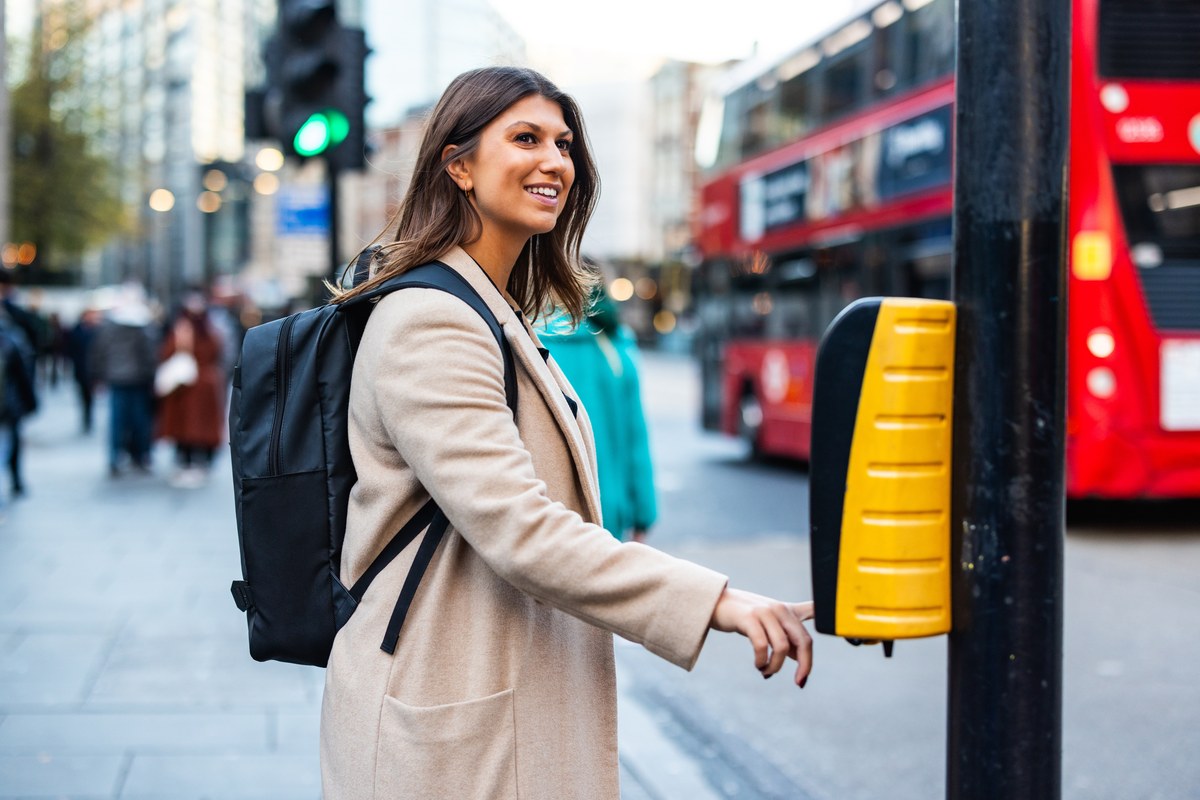
Bank holidays trip up many newcomers to the UK: there are three calendars, and a bank holiday in Belfast can be an ordinary day in Edinburgh. Everyday rules are shifting too. Wales raises its minimum price for alcohol to 65p a unit on 1 October 2026, the age of sale for all vapes and nicotine products becomes 18 across the UK on 29 October 2026, and from 1 January 2027 tobacco may not be sold to anyone born on or after 1 January 2009.
When are the UK bank holidays in 2026?
| Bank holiday 2026 | England and Wales | Scotland | Northern Ireland |
|---|---|---|---|
| New Year's Day | 1 January | 1 January | 1 January |
| 2nd January | – | 2 January | – |
| St Patrick's Day | – | – | 17 March |
| Good Friday | 3 April | 3 April | 3 April |
| Easter Monday | 6 April | – | 6 April |
| Early May bank holiday | 4 May | 4 May | 4 May |
| Spring bank holiday | 25 May | 25 May | 25 May |
| World Cup bank holiday | – | 15 June | – |
| Battle of the Boyne (substitute day) | – | – | 13 July |
| Summer bank holiday | 31 August | 3 August | 31 August |
| St Andrew's Day | – | 30 November | – |
| Christmas Day | 25 December | 25 December | 25 December |
| Boxing Day (substitute day) | 28 December | 28 December | 28 December |
Source: the government's official list of UK bank holidays, read 23 September 2026.
The next one is New Year's Day, Friday 1 January 2027, everywhere; Scotland also gets 4 January 2027 in place of 2 January. A bank holiday is not automatically a day off: you have no legal right to paid leave or extra pay on bank holidays – it depends on your contract – and employers may count them in the statutory 28 days' paid holiday for a five-day week (part 6).
The clocks go back one hour at 2am on 25 October 2026, from British Summer Time to Greenwich Mean Time. In 2027 they change on 28 March and 31 October.
Which number do you call: 999, 112, 111 or 101?
| Number | When to call | Good to know |
|---|---|---|
| 999 | Life-threatening emergencies – police, fire, ambulance, coastguard – such as a serious road accident, a stroke or a heart attack | Free |
| 112 | The same as 999 | Free from most mobiles; same services |
| 111 | Urgent medical problems that are not life-threatening (NHS 111) | Also 111 online (age 5 and over) and the NHS App; ask for an interpreter |
| 101 | Non-urgent police matters | Free |
| 105 | Power cut in Great Britain | Free; reaches your electricity network operator |
| 0800 002 001 | Smell of gas in Northern Ireland | Gas Emergency Service |
Source: the government guides Contact the police and Get urgent help and report a crime, the NHS, Ofgem and nidirect, read 23 September 2026.
For a child under 5, call 111 rather than using 111 online. In Scotland, 111 is run by NHS 24, and Wales has NHS 111 Wales. Worth saving too: the NSPCC on 0808 800 5000, Childline on 0800 1111 and Refuge's free 24-hour national domestic abuse helpline on 0808 2000 247.
Cash, cards and contactless: how do you pay in the UK?
The currency is the pound sterling (£, GBP). The Bank of England issues £5, £10, £20 and £50 notes, all polymer. Notes with King Charles III's portrait have been issued since 5 June 2024, and Queen Elizabeth II notes remain legal tender. Six commercial banks in Scotland and Northern Ireland issue their own notes too.
'Legal tender' only concerns settling debts: a shop can choose which payments it accepts and may refuse cash altogether. In England and Wales, Royal Mint coins and Bank of England notes are legal tender; in Scotland and Northern Ireland only the coins are. Debit cards and contactless are not legal tender anywhere.
Contactless payments have been capped at £100 per transaction since 2021, but since March 2026 rules from the FCA (Financial Conduct Authority) let banks with strong fraud controls set their own limit, or none – most are expected to keep existing limits for now. To protect cash, FCA rules in force since 18 September 2024 oblige 14 designated banks and building societies to fill significant gaps in local cash access, for example with ATMs or banking hubs.
Found old paper notes? Paper £20 and £50 notes stopped being legal tender on 30 September 2022, but the Bank of England swaps them with no deadline. Pay them into a UK bank account, exchange up to £300 with photo ID at one of 51 Post Office branches, or post them – postal exchanges currently take up to 90 working days.
Shops, Sundays and tips
| Nation | Large shops (over 280 m²) on Sundays | Closures and exemptions |
|---|---|---|
| England and Wales | Six consecutive hours between 10am and 6pm | Closed on Easter Sunday and Christmas Day; small shops, airport and station outlets and registered pharmacies are exempt |
| Scotland | No trading-hours restrictions | – |
| Northern Ireland | 1pm to 6pm only | Holiday resorts can be exempt on up to 18 Sundays a year |
Source: the government guides Trading hours for retailers and Holiday resort exemption from Sunday trading, read 23 September 2026.
Shop and betting-shop workers can opt out of Sunday work – in Northern Ireland with three months' written notice – and extra pay for Sundays or bank holidays is not a statutory right. When you leave a tip, the law since 1 October 2024 says employers must pass all tips on to workers without deductions.
Alcohol, tobacco and ID: what are the age rules?
The UK has no compulsory national identity card, and a planned national digital ID programme was cancelled in July 2026, so when a bar asks your age you show a document. In Scotland, the Licensing (Scotland) Act 2005 lets a seller rely on a passport, a UK driving licence or an EU photocard driving licence, among others. In England and Wales, licensed premises may since 15 September 2026 also accept certified digital proof-of-age apps; physical ID stays valid.
| Rule | Where | Since or from |
|---|---|---|
| No buying alcohol, or drinking it in licensed premises, under 18; 16- and 17-year-olds with an adult may drink (not buy) beer, wine or cider with a meal | Government guide Alcohol and young people; Scotland has its own Licensing Act | In force |
| Minimum price of 65p per unit of alcohol | Scotland | 30 September 2024 |
| Minimum price per unit rises from 50p to 65p | Wales | 1 October 2026 |
| Age of sale 18 for all vapes and nicotine products, including pouches; free or cut-price promotions banned | UK-wide | 29 October 2026 |
| No sale of tobacco or cigarette papers to anyone born on or after 1 January 2009 | UK-wide | 1 January 2027 |
| Snus and other oral tobacco banned | UK-wide | 1992 |
Source: the Department of Health and Social Care, the government guide Alcohol and young people and Scottish and Welsh legislation, read 23 September 2026.
It is illegal for an adult to buy alcohol for someone under 18, and to give alcohol to a child under 5. From 1 January 2027, selling tobacco to someone underage can bring a £200 fixed penalty in England, Wales and Scotland, or a fine of up to £2,500.
What to do now
| Step | What | When |
|---|---|---|
| 1 | Put your nation's bank holidays in your calendar and check your contract for bank holiday pay | Now |
| 2 | Save 999, 111 and 101 in your phone, plus 105 for power cuts | Your first day |
| 3 | Ask your bank about its contactless limit | When you open your account |
| 4 | Carry a passport or photocard driving licence when buying alcohol | Every time |
| 5 | Exchange any old paper £20 or £50 notes | No deadline |
| 6 | Set your clocks back one hour | 25 October 2026, 2am |
Source: the government's list of UK bank holidays, the NHS, the Bank of England and the FCA, read 23 September 2026.
Official sources
The official pages this guide is based on, read 23 September 2026. Links open the authority’s own website.
- GOV.UK – UK bank holidays (bank-holidays.json) · gov.uk
- nidirect – Bank holidays; GOV.UK – Trading hours for retailers · nidirect.gov.uk
- GOV.UK – When do the clocks change? · gov.uk
- GOV.UK – Get urgent help and report a crime (Homes for Ukraine guidance) · gov.uk
- NHS – When to use NHS 111 / When to call 999 · nhs.uk
- Bank of England – What is legal tender? · bankofengland.co.uk
- Bank of England – Current banknotes / King Charles III banknotes · bankofengland.co.uk
- Bank of England – Withdrawn banknotes / Exchanging old banknotes · bankofengland.co.uk
- FCA press releases (3 March 2021; 19 December 2025) · fca.org.uk
- FCA – Access to cash · fca.org.uk
- GOV.UK – Trading hours for retailers: the law · gov.uk
- GOV.UK – Holiday resort exemption from Sunday trading (Northern Ireland) · gov.uk
- GOV.UK – Alcohol and young people · gov.uk
- legislation.gov.uk – Licensing (Scotland) Act 2005, s.102 · legislation.gov.uk
- GOV.UK news – Digital proof of age for alcohol sales · gov.uk
- legislation.gov.uk – Alcohol (Minimum Price per Unit) (Scotland) Amendment Order 2024 (SSI 2024/128) · legislation.gov.uk
- legislation.gov.uk – WSI 2026/34 and WSI 2026/30 · legislation.gov.uk
- DHSC – Selling tobacco, herbal smoking products and cigarette papers · gov.uk
- DHSC – Selling vaping and nicotine products · gov.uk
- GOV.UK – Distributing tips fairly: statutory code of practice · gov.uk
- nidirect – Sunday work · nidirect.gov.uk
Relocate in Europe provides general information, not legal or financial advice for your individual situation. Check with the authority named above before you act – rules change, and your case may differ.