Moving to Germany
Last updated 25 September 2026Rules checked every MondayOfficial sourcesSources & methodology →
Planning to move to Germany? This guide puts your first steps in order – registration, residence permit, tax ID, bank, health insurance and a German course – and gathers the Germany emergency numbers, agencies and city contacts you need when living in Germany as a foreigner.
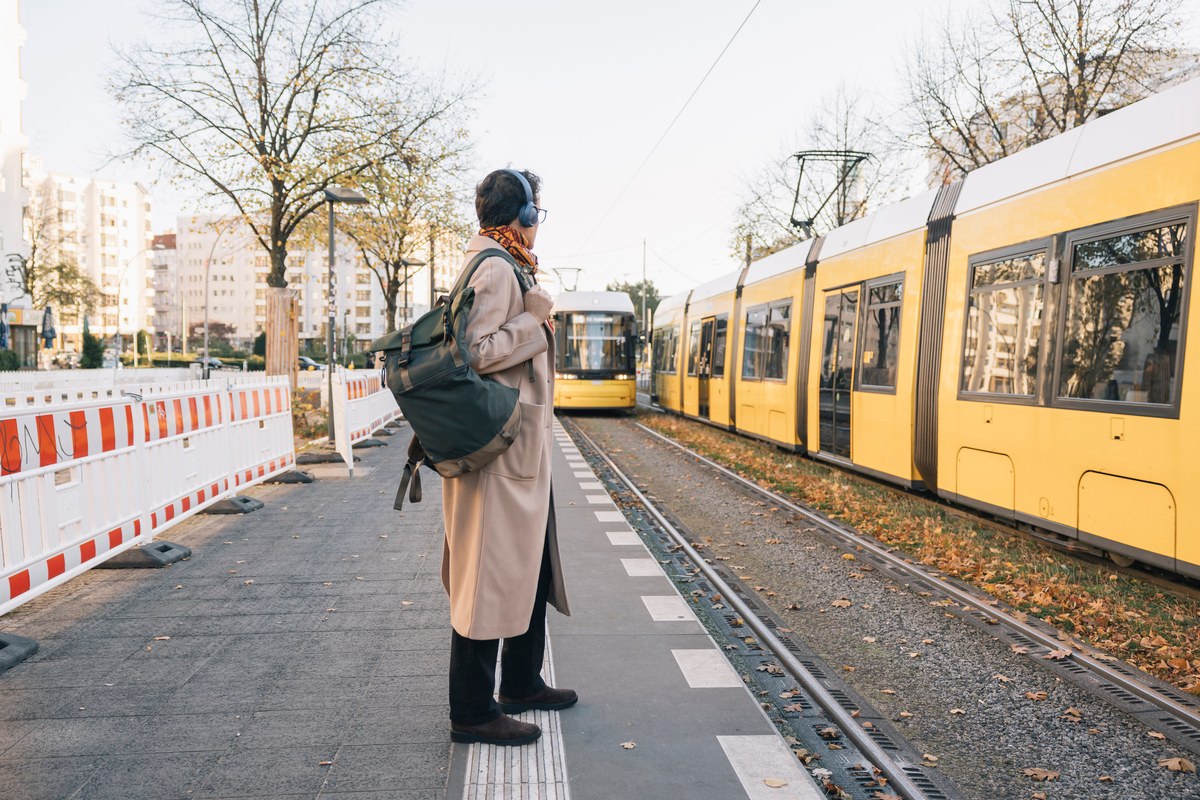
If you are moving to Germany in 2026, one change stands out: you can now become German without giving up your old passport. Since 27 June 2024 you can be naturalised after five years of lawful residence, and dual citizenship is generally accepted. The three-year fast track that came with that reform was abolished again at the end of October 2025, by a law of 27 October 2025 published on 29 October 2025 – so five years is now the minimum, and official pages that still describe the fast track are out of date. Other recent changes matter too: the Opportunity Card (Chancenkarte) has let skilled people come to look for work since 1 June 2024, the EU Blue Card needs a salary of at least €50,700 in 2026, and on 1 July 2026 the Grundsicherungsgeld replaced the Bürgergeld as basic income support for jobseekers.
This guide is for you whether you come for a job, to study, to join your family, to start a business or to seek protection – or you are an EU citizen who only needs to register, or a German coming home. Choose the profile below that fits you best, then read the 15 guides in the series. Use this page as your map: the first table shows the usual order of things, from your visa to a doctor and a German course, and the Germany emergency numbers and the address book are worth keeping to hand. Germany is federal, so many rules, fees and offices differ between the 16 Länder (states) and between cities; we say when something applies only in Berlin, Munich, Hamburg or Frankfurt. Every phone number, fee and opening hour was checked on 23 September 2026 – where we could not confirm a detail, we send you to the agency's website.
Comparing countries or new to Europe? Moving to Europe lists every country guide and explains the rules that apply across Europe – Schengen, EES, ETIAS, the EU Blue Card and free movement.
Who are you? Choose your guide
Choose what fits you best and get your own step-by-step path, the rules that apply to you and which guides to read.
EU/EEA or Swiss citizen
You need no visa or residence permit: register your address within 2 weeks, like any German, and you can work from day one. Since 27 June 2024 you can become German after five years instead of eight, and in 2026 the Federal Office for Migration and Refugees (BAMF) paused integration-course admissions for EU citizens, resuming them from 1 August 2026 only where places are free.
| Step | What to do |
|---|---|
| Do your Anmeldung (address registration) | Within 2 weeks of moving in, go to the Bürgeramt (citizens' office) with your ID card or passport and the landlord's confirmation (Wohnungsgeberbestätigung). In Berlin it is free but needs an appointment. – Where: Bürgeramt of your city or municipality |
| Wait for your Steuer-ID (tax ID) | It comes by post after you register – in Munich the city says about 2–4 weeks. It has 11 digits and is valid for life. Nothing after 3 months? Send a copy of your ID and registration certificate. – Where: Federal Central Tax Office |
| Choose a Krankenkasse (health insurance fund) | Health insurance is compulsory. Employees earning over €603 a month and up to €77,400 a year join a statutory fund: 14.6% plus the fund's extra rate (2.9% on average in 2026), split with the employer. – Where: Krankenkasse of your choice |
| Start work – no permit needed | Employers only need to see your ID card or passport. The minimum wage is €13.90 an hour in 2026 (€14.60 from 1 January 2027). Your employer registers you for pension insurance from day one. – Where: Your employer; Deutsche Rentenversicherung (German Pension Insurance) |
| Not working? Bring money and cover | After 3 months you must work, be self-employed, seek work (after 6 months only with a real job prospect) or have enough money and health insurance. EU pensioners register their S1 with a Krankenkasse. – Where: Krankenkasse at your place of residence |
| Claim Kindergeld (child benefit) | €259 per child per month. Apply with your own and your child's tax IDs; it is paid back for only 6 months. In your first 3 months you get it only with German income from work or business. – Where: Familienkasse (family benefits office), Federal Employment Agency |
| Apply early for German classes | EU citizens have no right to an integration course. Since 1 August 2026 the BAMF admits them again only where places are free, with priority if you need German for work. Cost: €2.29 per unit. – Where: Federal Office for Migration and Refugees (BAMF) |
| Rules that apply to you |
|---|
| After 5 years of continuous lawful residence you have a permanent right of residence, whether or not you work; a certificate costs €10 on request. |
| Non-EU family members get a residence card within 6 months, normally valid for 5 years, for the German ID-card fee (€46, or €27.60 under 24). |
| Swiss citizens need not report to the Ausländerbehörde (immigration office) but can ask it for a residence card for stays over 3 months. |
| Grundsicherungsgeld (jobseekers' basic income), which replaced Bürgergeld on 1 July 2026, is closed to you in your first 3 months unless you work. |
| Naturalisation needs 5 years' residence and B1 German; the fee is €255. The 3-year fast track was abolished in October 2025. |
Source: Federal Ministry of the Interior, Federal Office for Migration and Refugees, Federal Central Tax Office, Federal Ministry of Health, Familienkasse, Land Berlin, City of Munich, read 23 September 2026
Read next: EU/EEA or Swiss citizen
From the UK
Since Brexit you need a residence permit, but you are privileged: you can enter without a visa and apply in Germany within 90 days – just do not start work until the permit is issued. And since 27 June 2024 you can become German after 5 years and keep your British citizenship.
| Step | What to do |
|---|---|
| Do your Anmeldung (address registration) | Enter visa-free, then register within 2 weeks of moving in at the Bürgeramt (citizens' office) with your passport and the landlord's confirmation. Visitors may stay 90 days in any 180, without working. – Where: Bürgeramt of your city or municipality |
| Apply for your permit within 90 days | Apply to the Ausländerbehörde (immigration office) within 90 days of entry; the first permit costs €100. In Berlin, most permits are applied for online and appointments are then allocated. – Where: Ausländerbehörde; in Berlin the Landesamt für Einwanderung (Berlin Immigration Office) |
| Wait for the permit before you work | You may start only once a permit explicitly allowing work has been issued. For UK nationals the Federal Employment Agency can approve any job, whatever your qualification. – Where: Ausländerbehörde and Federal Employment Agency |
| Join a Krankenkasse (health insurance fund) | Your permit needs health insurance valid in Germany; Berlin's immigration office says foreign insurance is generally not enough. Employees tell their employer their chosen fund within 2 weeks. – Where: Krankenkasse of your choice |
| Here before 2021? Check your document | If you lived in Germany before 1 January 2021, the Withdrawal Agreement keeps your rights without an application, and you get an Aufenthaltsdokument-GB (residence document for British citizens). – Where: Ausländerbehörde |
| Exchange your UK driving licence | A UK licence stays valid for 6 months after you take up residence. It can be exchanged without driving tests; in Berlin the exchange costs €37.50. – Where: Local driving licence authority |
| Bringing a non-EU family member? | Your spouse needs no A1 German before joining you, but non-EU family members may need a visa depending on their nationality. The national visa costs €75. – Where: German mission abroad |
| Rules that apply to you |
|---|
| Applying for a visa at a German mission in the UK instead? It can take up to 3 months, or up to 6 months for the self-employed and freelancers. |
| The Aufenthaltsdokument-GB costs the same as a German ID card and is free for former holders of a permanent residence card; old EU cards expired by 1 January 2022. |
| Children aged 16 or over joining later need C1 German or a positive integration prognosis – having grown up in the UK can support it. |
| Naturalisation after 5 years costs €255 and needs B1 German; the 3-year fast track was abolished in October 2025. |
Source: German Missions in the United Kingdom, Federal Office for Migration and Refugees, Federal Ministry of the Interior, Land Berlin, read 23 September 2026
Read next: From the UK
Skilled worker from outside the EU
You need a job offer, a qualification recognised in Germany and a national (D) visa before you travel. Since March 2024 it is easier: a recognition partnership lets you finish recognition after arrival, 2 years' experience can replace it in non-regulated jobs, and parents may join you. If you are 45 or over, your first permit needs a salary of at least €55,770 in 2026 or adequate pension provision.
| Step | What to do |
|---|---|
| Get your qualification recognised | The authority for your German reference occupation confirms receipt within 1 month and decides within 3 months of complete documents. For a degree in a non-regulated job, a Statement of Comparability costs €208. – Where: Recognition authority; Central Office for Foreign Education |
| Apply for your work visa | Apply at the German mission, online via the Federal Foreign Office's Consular Services Portal where possible; the national (D) visa costs €75. Allow several months for processing. – Where: German mission abroad |
| Ask your employer about the accelerated procedure | In the accelerated skilled-worker procedure your employer applies to the Ausländerbehörde (immigration office) for you, for €411. The mission then offers a visa appointment within 3 weeks. – Where: Ausländerbehörde, via your employer |
| Do your Anmeldung (address registration) | Within 2 weeks of moving in, register at the Bürgeramt (citizens' office) with your passport and the landlord's confirmation. Your Steuer-ID (tax ID) then comes by post; your employer needs it. – Where: Bürgeramt of your city or municipality |
| Collect your residence permit in person | Within your visa's validity, apply to the Ausländerbehörde for the electronic residence card; the first permit costs €100. In Berlin, employment permits are applied for online first. – Where: Ausländerbehörde; in Berlin the Landesamt für Einwanderung (Berlin Immigration Office) |
| Join a Krankenkasse (health insurance fund) | Tell your employer which fund you chose within 2 weeks, or it picks one for you. You pay 14.6% plus your fund's extra rate (2.9% on average in 2026), shared with your employer. – Where: Krankenkasse of your choice |
| Book your integration course | Your first work permit gives you a right to a course: €2.29 per unit, €1,603 for the standard 700 units, paid per 100-unit block. Passing it proves the B1 German you need to settle. – Where: Federal Office for Migration and Refugees (BAMF) |
| Rules that apply to you |
|---|
| Permits run for 4 years, or the contract length plus 6 months if shorter. If your job ends early, at least 6 months remain to find a new one. |
| Without recognition: 2 years' experience in the last 5, a qualification recognised where gained, and pay of at least 45% of the pension contribution ceiling or collective rates. |
| Settlement permit after 3 years with 36 months of pension contributions and B1 German; after 2 years if you trained or studied in Germany. |
| Your spouse needs no German before arrival and no proof of living space, and may work without restriction. |
| Western Balkans nationals can take any job with approval, capped at 50,000 approvals a year; apply at the German mission in your country. |
Source: Make it in Germany, Anerkennung in Deutschland, Federal Office for Migration and Refugees, Federal Foreign Office, Federal Ministry of Health, Land Berlin, read 23 September 2026
Read next: Skilled worker from outside the EU
EU Blue Card
For 2026 your gross salary must be at least €50,700 a year, or €45,934.20 in shortage occupations or if your degree is less than 3 years old; the figures are published each year. Once here, you can change jobs without permission and settle after 21 months with B1 German, or 27 months with A1.
| Step | What to do |
|---|---|
| Check your salary threshold | Your contract must pay at least €50,700 gross (€45,934.20 in shortage jobs or as a recent graduate) and run for at least 6 months. Berlin's immigration office does not count bonuses or fully variable pay. – Where: Your employer; Ausländerbehörde (immigration office) |
| Check your degree | Look up your university and degree in the anabin database. If needed, a Statement of Comparability costs €208 and takes about 2 weeks when it is for a Blue Card. – Where: Central Office for Foreign Education |
| Apply for the visa or the accelerated procedure | Apply for a national (D) visa (€75) at the German mission. Your employer can instead run the accelerated skilled-worker procedure at the Ausländerbehörde for €411. – Where: German mission abroad; Ausländerbehörde |
| Do your Anmeldung (address registration) | Register within 2 weeks of moving in at the Bürgeramt (citizens' office) – in Berlin within 14 days, free, with an appointment. Your Steuer-ID (tax ID) then arrives by post. – Where: Bürgeramt of your city or municipality |
| Get your Blue Card | Apply before your visa expires; the first card costs €100 and a renewal €93. In Berlin, Blue Card applications are online only and possible at the earliest 4 months before the visa runs out. – Where: Ausländerbehörde; in Berlin the Landesamt für Einwanderung (Berlin Immigration Office) |
| Choose your health insurance | Above €77,400 a year (2026) you may go private. In your first job in Germany you can instead join a statutory Krankenkasse (health insurance fund) voluntarily within 3 months. – Where: Krankenkasse or private insurer |
| Bring your family | Your spouse needs no German before arrival and no proof of living space, and can work immediately once their permit is issued. – Where: German mission abroad |
| Rules that apply to you |
|---|
| Under the Residence Act the card is valid for up to 4 years, or the contract length plus 6 months if shorter. |
| In your first 12 months the immigration office can suspend a job change for 30 days and refuse it if the Blue Card conditions are not met. |
| IT specialists without a degree qualify with 3 years' relevant experience in the last 7, at the lower threshold. |
| Shortage occupations include IT and production managers, science and engineering professionals, doctors, nurses, teachers and IT professionals. |
| A Blue Card qualifies you for naturalisation after 5 years, and since 27 June 2024 you can keep your nationality. |
Source: Make it in Germany, Federal Office for Migration and Refugees, Central Office for Foreign Education, Federal Ministry of Health, Land Berlin, read 23 September 2026
Read next: EU Blue Card
Job seeker (Opportunity Card)
The Chancenkarte (Opportunity Card), in force since 1 June 2024, lets you live in Germany for up to a year while you look for a job and work part-time. You qualify as a recognised skilled worker or with at least 6 points, and for 2026 you must show €1,091 net a month, for example in a blocked account.
| Step | What to do |
|---|---|
| Check that you qualify | You need a vocational qualification with at least 2 years' training or a degree, recognised in the country where you gained it, plus A1 German or B2 English. Recognised skilled workers need no points. – Where: Make it in Germany (Federal Government portal) |
| Count your points | You need 6. Examples: partial recognition of your qualification = 4; German at B2 = 3; 5 years' experience in the last 7 = 3; age up to 35 = 2; a shortage occupation = 1. – Where: Make it in Germany (Federal Government portal) |
| Have your qualification confirmed | A competent German body must confirm your qualification, such as the recognition authority for your occupation or the Central Office for Foreign Education. – Where: Recognition authority; Central Office for Foreign Education |
| Prove your funds and apply for the visa | Show at least €1,091 net a month for 2026 (blocked account, declaration of commitment or part-time job contract) and apply online via the Consular Services Portal. The visa costs €75. – Where: German mission abroad (Federal Foreign Office) |
| Do your Anmeldung (address registration) | Within 2 weeks of moving in, register at the Bürgeramt (citizens' office) with your passport and the landlord's confirmation. Your Steuer-ID (tax ID) then arrives by post. – Where: Bürgeramt of your city or municipality |
| Get health insurance valid in Germany | It is required for the card; Berlin's immigration office says foreign insurance is generally not enough. With a part-time job over €603 a month you join a Krankenkasse (health insurance fund). – Where: Krankenkasse or private insurer |
| Search, work part-time, then switch | Work up to 20 hours a week on average, plus trial work of up to 2 weeks per employer. With a qualified job offer, switch to a work permit or extend the card by up to 2 years. – Where: Ausländerbehörde (immigration office) |
| Rules that apply to you |
|---|
| You cannot claim Grundsicherungsgeld (jobseekers' basic income) with this card. |
| Time on the job-search card does not count towards a settlement permit. |
| A new job-search card is possible only after spending at least as long abroad as on the last one. |
| In Berlin the card cannot be issued after visa-free entry and allows no self-employment, though you may prepare a business; fee €100 after a D visa. |
| Graduated in Germany? Berlin advises the 18-month job-search permit instead, which allows any work, including self-employment. |
Source: Make it in Germany, Federal Foreign Office, Land Berlin, Federal Employment Agency, read 23 September 2026
Read next: Job seeker (Opportunity Card)
Researcher or PhD student
Since 27 June 2024 you can become German after 5 years and keep your nationality, but the 3-year fast track was abolished in October 2025. Your key document is a hosting agreement or contract with a research institution: it brings a research permit without Federal Employment Agency approval, within 60 days if the institution is recognised.
| Step | What to do |
|---|---|
| Sign a hosting agreement | Agree it with the research institution. You count as a researcher with a PhD or a degree giving access to doctoral programmes; teaching is allowed alongside research. – Where: Your host institution |
| PhD candidate? Pick the right permit | With a work contract or hosting agreement: research permit, work permit or EU Blue Card. Employed half-time or less, or on a scholarship: a student permit. – Where: German mission abroad; Ausländerbehörde (immigration office) |
| Apply for your visa | Apply for a national (D) visa (€75). Hold another EU country's research permit? Up to 180 days in 360 need no German permit if your host notifies the Federal Office for Migration and Refugees. – Where: German mission abroad |
| Do your Anmeldung (address registration) | Within 2 weeks of moving in, register at the Bürgeramt (citizens' office) with your passport and the landlord's confirmation. Your Steuer-ID (tax ID) then arrives by post. – Where: Bürgeramt of your city or municipality |
| Collect your research permit | Apply at the Ausländerbehörde. The permit runs for at least 1 year (2 in EU or multilateral mobility programmes); the first card costs €100 and a renewal €93. – Where: Ausländerbehörde; in Berlin the Landesamt für Einwanderung (Berlin Immigration Office) |
| Sort out health insurance | With a research permit you may join a statutory Krankenkasse (health insurance fund) voluntarily within 3 months of taking up residence. – Where: Krankenkasse of your choice |
| Bring your spouse | Your spouse is entitled to a residence permit without A1 German or proof of living space, and may take up any job. – Where: German mission abroad |
| Rules that apply to you |
|---|
| Settlement permit under the Residence Act after 3 years with a research permit, 36 months of pension contributions and B1 German. |
| When your research ends, you can get a permit for up to 18 months to look for a job. |
| Highly qualified scientists can get a settlement permit straight away in special cases; the fee is €147. |
| Coming from another EU country for over 180 days and up to a year? Apply for the mobile researcher permit at least 30 days before arrival. |
| Researchers can switch to self-employment linked to their research. |
Source: Federal Office for Migration and Refugees, Make it in Germany, Federal Ministry of Health, Land Berlin, read 23 September 2026
Read next: Researcher or PhD student
Student
For 2026 you must show €11,904 for the year (€992 a month), usually in a blocked account, and since March 2024 you may work 140 full or 280 half days a year instead of 120 and 240. State universities are generally free, but Baden-Württemberg charges non-EU students €1,500 a semester and TU Munich (Bavaria) has charged new non-EU students since winter 2024/25.
| Step | What to do |
|---|---|
| Get your university admission | The permit needs admission to full-time study at a state or state-recognised university; preparatory language courses and Studienkolleg count. Check how your certificates are rated in the anabin database. – Where: Your university; Central Office for Foreign Education (anabin) |
| Open a blocked account | Deposit at least €11,904 for 2026. Other proof: a formal declaration of commitment, a scholarship or, in Berlin, a notarised parental declaration with proof of income. – Where: Blocked account at a German bank |
| Apply for the student visa | Apply online via the Federal Foreign Office's Consular Services Portal where possible; the national visa costs €75. Not admitted yet? An applicant visa lasts up to 9 months. – Where: German mission abroad |
| Do your Anmeldung (address registration) | Within 2 weeks of moving in, register at the Bürgeramt (citizens' office) with your passport and the landlord's confirmation. In Berlin and Munich it is free. – Where: Bürgeramt of your city or municipality |
| Join a Krankenkasse (health insurance fund) | Health insurance valid in Germany is required for your permit. Students up to 30 pay a special rate of €87.38 a month plus the fund's extra contribution. – Where: Krankenkasse of your choice |
| Collect your residence permit | Apply at the Ausländerbehörde (immigration office). The permit normally runs for 2 years; the first card costs €100 and a renewal €93. – Where: Ausländerbehörde; in Berlin the Landesamt für Einwanderung (Berlin Immigration Office) |
| Work within your day limit | Up to 140 full or 280 half days a year; student assistant jobs at your university do not count. The minimum wage is €13.90 an hour in 2026. – Where: Your employer; Ausländerbehörde if in doubt |
| Rules that apply to you |
|---|
| After graduating you can get a permit for up to 18 months to look for a qualified job. |
| With a German degree, you can settle after 2 years of skilled work with 24 months of pension contributions. |
| Semester contributions are typically €100–350. The broadcasting fee is €18.36 a month per flat, so a shared flat pays once. |
| From the UK, US or Canada? In Berlin you may start studying after visa-free entry once you have applied, but not work until the permit is issued. |
| If your permit is withdrawn through no fault of your own, you get up to 9 months to seek admission elsewhere. |
Source: Make it in Germany, DAAD, Federal Foreign Office, Land Berlin, Ministry of Science of Baden-Württemberg, Federal Ministry of Health, read 23 September 2026
Read next: Student
Joining a partner or family
Two recent changes matter most: parents and parents-in-law may join skilled workers whose permit was first issued on or after 1 March 2024, and family reunification with people who have subsidiary protection is suspended from 24 July 2025 to 23 July 2027. Most spouses need basic (A1) German before arrival, but family of skilled workers and Blue Card holders do not.
| Step | What to do |
|---|---|
| Check the German requirement | Both spouses must be at least 18 and the joining spouse usually needs A1 German. Exempt: spouses of Blue Card holders, skilled workers, researchers, and of UK, US and other nationals with visa-free long stays. – Where: German mission abroad |
| Show income and living space | Your family must live without public funds; Kindergeld (child benefit) and Elterngeld (parental allowance) do not count against you. Living space is needed unless you join a skilled worker or Blue Card holder. – Where: Ausländerbehörde (immigration office) |
| Apply for the family visa | Apply online via the Consular Services Portal where possible. The national visa costs €75; spouses and minor children of Germans pay nothing. – Where: German mission abroad (Federal Foreign Office) |
| Do your Anmeldung (address registration) | Register every family member at the Bürgeramt (citizens' office) within 2 weeks of moving in. In Berlin, bring marriage and birth certificates, which may be required at first registration. – Where: Bürgeramt of your city or municipality |
| Collect your residence permit | Apply at the Ausländerbehörde; the first card costs €100. In Berlin, family permits can be applied for online since 23 March 2026. You may work without restriction once it is issued. – Where: Ausländerbehörde; in Berlin the Landesamt für Einwanderung (Berlin Immigration Office) |
| Get health insurance for everyone | In statutory insurance, a spouse and children with income of no more than €603 a month (2026) are covered free through the member's Krankenkasse (health insurance fund). – Where: Krankenkasse of the family member you join |
| Claim Kindergeld and book German classes | Kindergeld is €259 per child per month and is paid back for only 6 months. A family permit gives you a right to an integration course at €2.29 per unit. – Where: Familienkasse (family benefits office); Federal Office for Migration and Refugees |
| Rules that apply to you |
|---|
| Children under 16 need to meet no further conditions; from 16, C1 German or a positive integration prognosis, unless joining a skilled worker or Blue Card holder. |
| Joining a German: the spouse usually needs A1 German, is exempt from visa fees and can get a settlement permit after 3 years. |
| Recognised refugees: apply within 3 months of recognition and the core family needs no proof of income or living space. |
| Joining an EU citizen? Free-movement rules apply: a residence card within 6 months, normally valid for 5 years. |
| Children from age 1 have a legal right to a Kita (daycare) place or a childminder; in Berlin, Kita care is free apart from €23 a month for meals. |
Source: Federal Office for Migration and Refugees, Federal Foreign Office, Make it in Germany, Federal Ministry of Health, Familienkasse, Land Berlin, read 23 September 2026
Read next: Joining a partner or family
Refugee or protection status
Much changed in 2025–2026: the EU asylum reform has applied since 12 June 2026, Grundsicherungsgeld (jobseekers' basic income) replaced Bürgergeld on 1 July 2026, and family reunification to people with subsidiary protection is suspended until 23 July 2027. Temporary protection for Ukrainians has been extended until 4 March 2028.
| Step | What to do |
|---|---|
| Do your Anmeldung (address registration) | Register within 2 weeks of moving into a flat. In Berlin, Ukrainian refugees, asylum seekers and people with a Duldung (tolerated stay) use the Flüchtlingsbürgeramt Mitte, not a Bürgeramt (citizens' office). – Where: Bürgeramt; in Berlin the Flüchtlingsbürgeramt Mitte |
| Open a Basiskonto (basic account) | Every bank offering accounts to consumers must offer you one within 10 business days, asylum seekers included. Your Aufenthaltsgestattung (permission to stay during the asylum procedure) counts as ID. – Where: Any bank; Federal Financial Supervisory Authority (BaFin) if refused |
| Know when you may work | Asylum seekers must be allowed to work 3 months after registering their claim (6 in Dublin cases), with approval, unless still obliged to live in a reception centre. Protection holders may work without restriction. – Where: Ausländerbehörde (immigration office) |
| Collect your residence permit | Recognised refugees and people with subsidiary protection get a permit for 3 years; subsidiary protection is renewed for 3 years at a time. – Where: Ausländerbehörde |
| Apply for Grundsicherungsgeld if needed | Once recognised, support comes from the Jobcenter (jobcentre), not asylum-seeker benefits: €563 a month for a single adult in 2026. Missing 3 appointments in a row without reason can end it. – Where: Jobcenter |
| Join an integration course | With refugee or subsidiary protection status you have a right to a course; asylum seekers and Ukrainians only where places are free. It costs €2.29 per unit unless you are exempt. – Where: Federal Office for Migration and Refugees (BAMF) |
| Family reunification: act within 3 months | Recognised refugees who apply within 3 months of recognition need no proof of income or living space for their core family. For subsidiary protection it is suspended until 23 July 2027, bar hardship cases. – Where: German mission abroad (Federal Foreign Office) |
| Rules that apply to you |
|---|
| Asylum seekers' benefits from 1 January 2026 for a single adult in a flat: €202 for personal needs plus €253 for necessary needs a month. |
| Settlement: refugees after 5 years with A2 German, or 3 years with C1; subsidiary protection after 5 years with B1. Time in the asylum procedure counts. |
| Asylum seekers from safe countries of origin who applied after 31 August 2015 may not work during the procedure. |
| Ukraine: people newly entering the EU since 5 August 2026 who evade military service no longer get temporary protection. |
| Jobcentres can cut the standard benefit by 30% for 3 months for breaches of duties. |
Source: Federal Office for Migration and Refugees, Federal Ministry of the Interior, Federal Employment Agency, Federal Financial Supervisory Authority, Land Berlin, read 23 September 2026
Read next: Refugee or protection status
Returning German
Since 27 June 2024 Germans no longer lose German citizenship by taking another nationality – but if you naturalised elsewhere before that without a retention permit, check your status first. After that, returning is mostly paperwork: register within 2 weeks, restart your health insurance and bring your pension and benefit records.
| Step | What to do |
|---|---|
| Check that you are still German | Took a non-EU, non-Swiss nationality before 27 June 2024 without a retention permit? You may have lost German citizenship. An official certificate of citizenship costs €51. – Where: German mission abroad; your nationality authority |
| Lost it? Ask about renaturalisation | Former Germans abroad can apply to the Federal Office of Administration, which decides at its discretion: you need to support yourself, adequate German, very close ties to Germany and no criminal record. – Where: Federal Office of Administration (Cologne) |
| Get job advice before you move | The Federal Employment Agency's central foreign and specialist placement service advises returnees before they come back: phone 0049 228 713 1313. – Where: Federal Employment Agency (Zentrale Auslands- und Fachvermittlung) |
| Do your Anmeldung (address registration) | Register within 2 weeks of moving in at the Bürgeramt (citizens' office); it is free in Berlin and Munich. In Berlin, online registration is only for moves within Germany, so go in person. – Where: Bürgeramt of your city or municipality |
| Restart your health insurance | Contact your former Krankenkasse (health insurance fund) first; if you were last statutorily insured and have no other cover, you are insured again. From an EU/EFTA country, ask for form E 104. – Where: Your former Krankenkasse |
| Bring your pension and benefit records | EU/EFTA work can count for your pension if you worked there at least a year (form PD U1). For unemployment benefit, those periods count once you have worked in Germany again (form PD U2). – Where: Deutsche Rentenversicherung (German Pension Insurance); Federal Employment Agency |
| Claim Kindergeld (child benefit) promptly | It is €259 per child per month and paid back for only 6 months. From abroad, call the Familienkasse (family benefits office) on +49 911 12031010. Your Steuer-ID (tax ID) stays the same for life. – Where: Familienkasse, Federal Employment Agency |
| Rules that apply to you |
|---|
| A foreign spouse gets a residence permit if you live in Germany; A1 German is generally required, and a settlement permit usually follows after 3 years. |
| Used EU free movement to live or work in another EU country? The more favourable EU family rules then apply on your return. |
| A child born abroad to a German parent who was also born abroad after 31 December 1999 must be registered within 1 year to become German. |
| Spouses, minor children and parents of minor Germans pay no visa fees. |
| Employees whose statutory health cover ended because of work abroad can rejoin voluntarily if they start a job within 2 months of returning. |
Source: German Missions in the United Kingdom, Make it in Germany, Federal Employment Agency, Familienkasse, Federal Central Tax Office, Land Berlin, read 23 September 2026
Read next: Returning German
Freelancer or self-employed
If you are over 45 you must show adequate old-age provision – since 1 July 2025 Berlin's immigration office has expected a prospective pension of €1,612.53 a month at 67 or assets of €232,204. Freelancers in the liberal professions skip the economic-interest test that business founders face, but need any required professional licence; Berlin also asks for proof of clients.
| Step | What to do |
|---|---|
| Choose the right permit | Freelancers – such as artists, writers, teachers, doctors, engineers, interpreters or architects – apply for the freelance permit. Founders must show economic interest or regional need and secured financing. – Where: Ausländerbehörde (immigration office) |
| Prepare your business documents | Berlin's immigration office asks for a CV, references, a revenue forecast and fee contracts, or at least 2 letters of intent from clients, plus any professional licence and proof of health insurance. – Where: In Berlin the Landesamt für Einwanderung (Berlin Immigration Office) |
| Apply for the visa early | The national visa costs €75. German missions in the UK warn that visas for the self-employed and freelancers can take up to 6 months. – Where: German mission abroad |
| Do your Anmeldung (address registration) | Within 2 weeks of moving in, register at the Bürgeramt (citizens' office) with your passport and the landlord's confirmation. Your Steuer-ID (tax ID) then arrives by post. – Where: Bürgeramt of your city or municipality |
| Register with the tax office | Freelancers notify the Finanzamt (tax office) when they start; trades file a Gewerbeanmeldung (trade registration) with the municipality, which informs the tax office. Tax data goes online via ELSTER. – Where: Finanzamt; municipal trade office |
| Choose health insurance | In a statutory Krankenkasse (health insurance fund) the self-employed pay at least €222.80 a month in 2026, or €230.71 with sick pay. For the permit, Berlin also accepts artists' social insurance registration. – Where: Krankenkasse, private insurer or Künstlersozialkasse (artists' social insurance fund) |
| Plan your pension | Voluntary statutory pension contributions in 2026 run from €112.16 to €1,571.70 a month; compulsorily insured self-employed people pay a standard €735.63. – Where: Deutsche Rentenversicherung (German Pension Insurance) |
| Rules that apply to you |
|---|
| Permits last at most 3 years. Founders with a successful business can settle after 3 years (fee €124); under the Residence Act this route is not open to freelancers. |
| No VAT under the small-business scheme if turnover was up to €25,000 last year and stays at or below €100,000 this year. |
| Researchers, Blue Card holders and graduates of German universities should get a self-employment permit linked to their research or studies. |
| EU and EEA citizens need no permit to set up as self-employed. |
| In Berlin a permit label can be issued at the appointment; the electronic card (€100) takes 4–6 weeks. |
Source: Land Berlin, Federal Ministry of Health, Deutsche Rentenversicherung, German Missions in the United Kingdom, Federal Ministry of Justice, read 23 September 2026
Read next: Freelancer or self-employed
The 15 guides
Move
Live
Settle
Germany in numbers
Official statistics, fetched from the source. Each figure shows where it comes from and which period it covers.
| Figure | Latest | Source and period |
|---|---|---|
| Population | 83.58 million | Eurostat · 1 January 2025 |
| Economy (GDP) | €4,530 billion | Eurostat · 2025 |
| GDP per person | $60,496 | World Bank · 2025 |
| GDP growth | +1.0% | Eurostat, compared with a year earlier · Q2 2026 |
| GDP growth, full year | 0.2% | World Bank · 2025 |
| Unemployment | 4.0% | Eurostat, seasonally adjusted · July 2026 |
| Employment rate | 81.5% | Eurostat, age 20–64 · Q2 2026 |
| Inflation | 2.9% | Eurostat, EU-harmonised (HICP) · August 2026 |
| Central bank rate | 2.50% | European Central Bank deposit facility rate · 23 September 2026 |
| Median income | €28,891 a year | Disposable, per adult equivalent · Eurostat · 2025 |
| Price level | 109 | EU = 100 · Eurostat · 2024 |
| Born abroad | 20.5% | Eurostat · 1 January 2025 |
Source: Eurostat, World Bank and European Central Bank, read 23 September 2026, 23:40 Paris time (CET).
| Pros |
|---|
| The lowest unemployment of the six: 4.0% in July 2026, against 6.1% in the EU (Eurostat). |
| A high employment rate: 81.5% of 20–64-year-olds are in work (Eurostat, Q2 2026). |
| The largest economy of the six – €4,530 billion (Eurostat, 2025) – with median disposable income of €28,891, 26% above the EU average (Eurostat, 2025). |
| Food prices close to the EU average: 103 (EU = 100, Eurostat, 2024). |
| Cons |
|---|
| Slow growth: +1.0% in Q2 2026 compared with a year earlier (Eurostat) and 0.2% in 2025 (World Bank). |
| Housing weighs more than in most of the EU: 11.2% of residents spend more than 40% of their income on housing, against 7.7% in the EU (Eurostat, 2025). |
| Consumer prices 9% above the EU average, housing and energy 13% above (Eurostat, 2024). |
Your first steps in Germany, in order
| Step | What | Where | Typical time |
|---|---|---|---|
| 1 | Get the right to enter and stay. EU, EEA and Swiss citizens need no visa – a valid ID card or passport is enough. Most other nationals need a national (D) visa before they travel: €75, or €37.50 for minors. Nationals of Australia, Canada, Israel, Japan, New Zealand, South Korea, the UK and the USA may enter without a visa and get their residence permit in Germany – but must apply within 90 days and may not start work until the permit has been issued. | A German mission abroad. Apply online on the Federal Foreign Office's Consular Services Portal (Auslandsportal), which all visa sections have used since 1 January 2025 | A national visa can take several months – up to three months or longer if the local Ausländerbehörde (immigration office) must agree. In the accelerated skilled-worker procedure (€411, started by your employer) you get a visa appointment within three weeks and usually a decision within three weeks of a complete application. |
| 2 | Find a home. The deposit (Kaution) may be at most three months' rent excluding service charges, and you may pay it in three monthly instalments. You pay no letting agent's fee unless the agent found the flat only because you hired them to search for you. Never transfer money in advance to people you have not met: a 'landlord abroad' who will post the keys once you pay the deposit is a known scam. Ask for the Wohnungsgeberbestätigung (landlord's confirmation of move-in) – you need it to register. | A landlord or letting agent. In Berlin, Hamburg and Munich a rent brake (Mietpreisbremse) caps the rent for a new tenancy at 10% above the local comparative rent, with exceptions such as flats first let after 1 October 2014 | Your landlord must confirm your move-in within the two weeks you have to register. |
| 3 | Register your address – the Anmeldung (address registration) – at the residents' registration office, in most cities a Bürgeramt (citizens' office). Everyone who moves into a flat must do it; if you normally live abroad and are not registered in Germany, only once your stay exceeds three months. Bring your passport or ID card and the landlord's confirmation – a rental contract does not replace it. You get a registration confirmation free of charge; keep it, because banks and schools ask for it. Late or missing registration can be fined up to €1,000. | A Bürgeramt, with an appointment – in Munich one of six Bürgerbüros, in Hamburg one of 22 Hamburg Service offices. Free in Berlin and Munich. In Berlin, online registration is only for German or EU citizens with an activated eID card who moved within Germany – newcomers from abroad register in person | Within two weeks of moving in (Berlin: 14 days). In Berlin the confirmation is issued immediately; in Hamburg the registration takes about 12 minutes. |
| 4 | Apply for your residence permit – unless you are an EU/EEA citizen, who needs none. With a national visa, apply before it expires (you may already work or study on the visa); after visa-free entry, within 90 days. You receive an electronic residence permit (eAT), a plastic card with a chip, your photo and fingerprints: €100 for a first residence permit or Blue Card. | The Ausländerbehörde where you live – in Berlin the Landesamt für Einwanderung (LEA, Berlin Immigration Office), in Frankfurt the Frankfurt Immigration Office (FIO). In Hamburg, the Hamburg Welcome Center handles residence matters for international professionals, by appointment | In Berlin an eAT normally takes two visits, and some departments cannot give appointments at short notice – waits of a few months are possible. Extensions: at the earliest 8 weeks before expiry (Berlin). If you apply before your permit expires, it counts as valid until the decision (Fiktionsbescheinigung, €13). |
| 5 | Wait for your Steuer-ID (tax ID). The Federal Central Tax Office assigns this 11-digit number automatically once the registration office has sent your data, and posts it to you – it is never given out by phone. It stays the same for life, and your employer and your bank need it. Put your surname on your letterbox so the letter arrives. | Bundeszentralamt für Steuern (BZSt, Federal Central Tax Office) – nothing to apply for | About 2–4 weeks after your first registration (City of Munich guidance). Nothing after three months? Send the BZSt a copy of your ID and your registration confirmation. |
| 6 | Open a bank account. Banks usually ask for your passport, residence permit, registration confirmation and, for some accounts, a payslip. Everyone lawfully resident in the EU – including people without a fixed address, asylum seekers and people with a Duldung (suspension of deportation) – has a legal right to a basic account (Basiskonto). Its fees must be reasonable, but it is not free by law, and the bank does not have to give you an overdraft. | Any bank that offers accounts to consumers. If a bank refuses you a basic account, BaFin (Federal Financial Supervisory Authority) can run a free procedure | The bank must offer you the basic account within 10 business days of a complete application. |
| 7 | Get health insurance – it is compulsory for everyone living in Germany. As an employee earning more than €603 a month and not more than €77,400 a year, you join a statutory Krankenkasse (health insurance fund) of your choice; no fund may refuse you. You pay 14.6% of gross pay plus the fund's additional contribution (2.9% on average in 2026), shared equally with your employer. Above that threshold you may choose private insurance instead. A spouse who does not work and your children can be covered free of charge (family insurance). | Any statutory fund – the GKV-Spitzenverband lists all 93 with their rates – or a private insurer licensed in Germany. Make it in Germany advises travel health insurance from home to bridge the time until your job starts | Tell your employer which fund you chose: if you have not done so within two weeks, your employer registers you with a fund itself. You then stay with the fund for at least 12 months. |
| 8 | Start work. Your employer registers you with the pension insurance from your first day, and the Deutsche Rentenversicherung (German Pension Insurance) then posts you your social security number. The minimum wage is €13.90 an hour in 2026, and you are entitled to at least 20 days' paid holiday on a five-day week. | Your employer; Deutsche Rentenversicherung | Your employer must give you the key terms in writing – pay, working time and the parties at the latest on your first working day, most other terms by the 7th calendar day. |
| 9 | Sort out benefits and care for your children. Apply for Kindergeld (child benefit): €259 per child per month, with your own and your child's tax ID. From the first birthday every child has a legal right to a Kita (daycare) place or a childminder, and from age three to a Kita place until school. School is compulsory for at least nine years, and state schools are free. In Berlin, Kita care is free apart from €23 a month for meals, but you first need a Kita-Gutschein (voucher). | The Familienkasse of the Federal Employment Agency – you can apply online. Berlin: the youth office (Jugendamt) of your district for the Kita-Gutschein, and the district school office (Schulamt) for a school place | Kindergeld is paid back for at most 6 months, so apply promptly. Berlin: apply for the Kita-Gutschein 9 to 2 months before care should start; it takes about 6–8 weeks. |
| 10 | Find a doctor. With statutory insurance you may see any doctor admitted to the statutory system; choose a Hausarzt (family doctor) as your first stop. Your electronic health card (eGK) is your proof of insurance. Adults pay 10% of the price of prescription medicines – at least €5, at most €10. | The 116117 patient service – website, app or phone – finds doctors and on-call practices and books appointments for the statutorily insured. In a life-threatening emergency, call 112 | 116117 answers 24 hours a day, 7 days a week, for when surgeries are closed. |
| 11 | Learn German. The integration course has 700 units – 600 of language and 100 of orientation – and ends with the B1 'Deutsch-Test für Zuwanderer' and the 'Leben in Deutschland' test. It costs €2.29 per unit (€1,603 for the general course) unless you are exempt, and you can get half back if you pass within two years. Non-EU nationals with a first permit for work, family or humanitarian reasons have a legal right to attend. EU citizens have none: BAMF suspended their admission at the start of 2026 and since 1 August 2026 admits them again only within available places, with priority for people who need German for work or training. | An approved course provider near you, through BAMF (Federal Office for Migration and Refugees). Berlin: free advice and placement at the Volkshochschulen (adult education centres) – bring your passport and residence permit | The course should start within six weeks of your registration. |
Tax at a glance for 2026
| Item | 2026 | What it means for you |
|---|---|---|
| Tax year and tax return | The calendar year | Returns are due seven months after the year ends – 31 July of the following year, or the last day of February of the second following year if a tax adviser prepares yours. Filing is voluntary for most employees (for example to get wage tax refunded), but compulsory in some cases, such as two employers at the same time, tax classes III/V, or more than €410 of other income or wage-replacement benefits. You can file online, free of charge, with ELSTER. |
| Tax residence | From day one | You are taxed on your worldwide income if you have a home in Germany – renting a flat can be enough – or stay here for more than six months. Without either, only your German income is taxed. |
| Basic tax-free allowance (Grundfreibetrag) | €12,348 | Taxable income up to this amount is tax-free. It is doubled for married couples assessed jointly, who use income splitting. |
| Income tax rates | Progressive, then 42% and 45% | Tax rises progressively on taxable income from €12,349. The rate is 42% from €69,879 and 45% from €277,826. |
| Solidarity surcharge | 5.5% of income tax | Only charged when your income tax exceeds €20,350 (single) or €40,700 (joint assessment), with a phase-in zone above that. |
| Church tax (Kirchensteuer) | 9% of income tax in Berlin | Only for members of religious communities that levy it; your employer deducts it with the wage tax. In other Länder, check the rate with your tax office. |
| Tax classes (Steuerklassen) | I to VI | Your employer withholds wage tax by tax class: I single, II single parent, IV married (the default), III/V married couples on joint application, VI a second job. |
| Employee flat-rate deduction (Arbeitnehmer-Pauschbetrag) | €1,230 a year | Deducted automatically for work expenses unless you prove higher costs. Commuting: €0.38 per kilometre of the one-way distance per working day, capped at €4,500 a year unless you drive your own or a company car. |
| Pension insurance | 18.6% | Shared half and half with your employer, on pay up to €8,450 a month (€101,400 a year). |
| Unemployment insurance | 2.6% | Shared half and half, on pay up to the same €8,450 a month. |
| Health insurance | 14.6% plus the additional contribution | Plus your fund's additional contribution – 2.9% on average in 2026, from 2.18% to 4.39% depending on the fund – all shared equally with your employer, on pay up to €5,812.50 a month (€69,750 a year). |
| Long-term care insurance | 3.6% | 1.8% each for you and your employer. If you are 23 or older and have no children, you pay an extra 0.6 points alone (4.2% in total); parents with two or more children under 25 pay less. In Saxony employees pay 2.3% and employers 1.3%. |
| Compulsory health insurance threshold | €77,400 a year | Earn more and you may choose private health insurance instead of a statutory fund. |
| Minimum wage and mini-jobs | €13.90 an hour; €603 a month | The statutory minimum wage rises to €14.60 on 1 January 2027. A mini-job may pay up to €603 a month (€7,236 a year). |
| Savers' allowance (Sparer-Pauschbetrag) | €1,000 | Investment income up to this amount is tax-free; €2,000 for married couples assessed jointly. |
| Children | €259 Kindergeld a month | In your tax assessment the tax office compares the Kindergeld you received with the child allowances: €3,414 plus €1,464 per child and parent. |
| Income tax reform 2027 – a bill, not yet law | Planned for 2027 | The cabinet adopted the draft on 2 September 2026: a basic allowance of €12,564, Kindergeld of €267, an employee deduction of €1,430, the 45% rate from €250,000 and a new 47% rate from €280,000. Parliament still has to pass it. |
| Social insurance thresholds 2027 – a draft only | Planned for 2027 | The Labour Ministry's draft proposes a compulsory health insurance threshold of €84,150 and a pension and unemployment ceiling of €8,850 a month. The cabinet and the Bundesrat still have to agree. |
The Relocate in Europe salary calculator applies these 2026 rates to your own salary.
Emergency and health numbers
| Number | For what |
|---|---|
| 112 | Fire brigade and emergency ambulance (rescue service) – free throughout Germany and the rest of Europe, also from a mobile phone with a SIM card. Say where the emergency is, what happened and who is calling, then wait for questions. |
| 110 | Police emergency. |
| 116117 | Medical on-call service when surgeries are closed – for illness that is urgent but not life-threatening, so that 112 stays free for real emergencies. 24 hours a day, 7 days a week, free with a German phone contract; not for dental problems. Its website and app also find on-call practices and book doctor appointments. |
| Fax to 110 or 112; the nora app | For people with speech or hearing impairments: send an emergency fax, or use nora, the official emergency app, to reach the police, fire brigade and rescue service. |
| 116 116 | Blocking hotline: lost or stolen bank and credit cards, and the online ID function of your ID card or electronic residence permit. For the online ID it answers 24/7, free from Germany and other EU states; from outside the EU call +49 116 116 or +49 30 40 50 40 50 (charged). |
| (030) 19 240 | Berlin only: the poison emergency line (Giftnotruf). |
The address book
Grouped by what you need. Numbers are written as each organisation publishes them; where it gives a separate number for callers from abroad, we include that too. Websites are named rather than linked – search for the organisation's name. Where we could not verify a phone number, address or opening hour, the cell says "See the agency's website".
Residence and identity
| Agency | What you use it for | Phone | Website | Visit / service office |
|---|---|---|---|---|
| BAMF – Bundesamt für Migration und Flüchtlinge (Federal Office for Migration and Refugees) | Integration courses, asylum, results of the 'Leben in Deutschland' and naturalisation tests, and general migration information. The citizens' service answers questions on residence law, integration courses and naturalisation in German and English, but gives no individual legal advice. In September 2026 it was marking tests taken up to 3 July 2026 | +49 911 943-0; citizens' service Monday–Friday 9:00–11:00 | BAMF (Federal Office for Migration and Refugees) | Head office: Frankenstraße 210, 90461 Nürnberg |
| Hotline 'Arbeiten und Leben in Deutschland' (Working and Living in Germany), run by BAMF and the Federal Employment Agency | Personal advice in German or English on job search, recognition of foreign qualifications, entry and residence, and learning German. It is also the recognition hotline | +49 30 1815-1111; Monday–Thursday 09:00–16:00, Friday 09:00–12:00 (German time). Local rates from a German landline | BAMF; Anerkennung in Deutschland | Written questions: online contact form |
| Behördennummer 115 (public-authority number) | One number for questions on municipal, Land and federal services – who is responsible, fees and documents. In Berlin it also books appointments at city offices. Berlin, 14 other Länder, the federal administration and many municipalities take part | 115 from anywhere in Germany; from abroad +49 30 115. Berlin's 115: Monday–Friday 8:00–18:00 | Service Berlin (the Berlin city portal) | Phone service |
| Ausländerbehörde Berlin – Landesamt für Einwanderung (LEA, Berlin Immigration Office) | Residence permits, visas, Blue Cards, asylum matters and naturalisation (department S) in Berlin. The old online appointment system has been shut down for good (new procedure from 14 July 2025): apply online where an online application exists – for example for work, family or humanitarian permits – and otherwise ask for an appointment with the contact form of the unit responsible for you, which mostly depends on your nationality. Blue Card holders, skilled workers with a degree and students go to units B 1–B 4 | No general telephone number on its contact pages – use the contact form | Berlin Immigration Office (Landesamt für Einwanderung), on the Berlin city portal, with an English section | Friedrich-Krause-Ufer 24, 13353 Berlin. After an online application or a contact-form request the office gives you an appointment; waits of a few months are possible |
| Frankfurt Immigration Office (FIO) – the Ausländerbehörde of Frankfurt am Main | Residence matters for non-EU nationals in Frankfurt: fill in and send applications online, download forms and send questions with a contact form | See the agency's website | City of Frankfurt am Main (FIO pages) | See the agency's website |
| Auswärtiges Amt (Federal Foreign Office) – Consular Services Portal (Auslandsportal) | Applying online for a national visa – for work, study, vocational training or family reunification. Since 1 July 2025 there is no informal 'remonstration' against a visa refusal: you can apply again or go to court | See the agency's website | Federal Foreign Office; Consular Services Portal | German missions abroad (visa sections) |
| Personalausweisportal (Federal Ministry of the Interior) – ID cards and eID | The online ID (eID) function of the German ID card; the eID card for EU/EEA citizens aged 16 or over (€37, valid for ten years, not a travel document); and the electronic residence permit (eAT), which can also be used to identify yourself online | Public enquiry service: +49 30 18 681 23333, Monday–Thursday 8:00–17:00, Friday 8:00–15:00. Blocking hotline: 116 116 | Personalausweisportal | See the agency's website |
| BundID – the federal citizen account | Your central account for online administrative services, with a mailbox for official decisions. Log in with a username and password, an ELSTER certificate, the eID of an ID card or a European eID. Berlin's online address registration runs through it | See the agency's website | BundID | Online service |
Money, work and social insurance
| Agency | What you use it for | Phone | Website | Visit / service office |
|---|---|---|---|---|
| Bundesagentur für Arbeit (Federal Employment Agency) | Job placement; registering as a jobseeker – at the latest three months before your job ends, or within three days if you learn of it later; and unemployment benefit (Arbeitslosengeld: 60% of your net pay, 67% with a child). Its eServices cover jobseeker registration, unemployment benefit, Grundsicherungsgeld and child benefit | 0800 4 555500 (free), Monday–Thursday 08:00–18:00, Friday 08:00–14:00. Technical support for online services: 0800 4 555501 (free). Employer service: 0800 4 555520. Head office: +49 911 179-0 | Federal Employment Agency (eServices, online account) | Your local Agentur für Arbeit – appointments on site or by video. Head office: Regensburger Straße 104, 90478 Nürnberg |
| ZAV – Zentrale Auslands- und Fachvermittlung (central foreign and specialist placement service of the Federal Employment Agency) | Placement from abroad and for specialists; it also advises Germans before they return | +49 228 713-1313; Monday–Thursday 09:00–16:00, Friday 09:00–12:00 | Federal Employment Agency | Villemombler Str. 76, 53123 Bonn |
| Familienkasse (family benefits office of the Federal Employment Agency) | Kindergeld (child benefit, €259 per child per month) and Kinderzuschlag (child supplement for low-income working families, up to €297 per child per month). Apply online through the eServices, with your own and your child's tax ID | 0800 4 555530 (free); from abroad +49 911 12031010 (charged). Payment dates: 0800 4 555533. Monday–Thursday 08:00–18:00, Friday 08:00–14:00 | Federal Employment Agency (Familienkasse) | The Familienkasse of your Agentur für Arbeit |
| Jobcenter – Grundsicherungsgeld (basic income support for jobseekers) | The Grundsicherungsgeld replaced the Bürgergeld on 1 July 2026: €563 a month for a single adult in 2026, plus housing costs. The jobcentre can cut the standard amount by 30% for 3 months if you breach your duties. Foreigners who are neither workers nor self-employed are excluded in their first three months, and people whose right to stay rests only on looking for work are excluded altogether | See the agency's website | Federal Employment Agency (Grundsicherungsgeld) | See the agency's website |
| Finanzamt (local tax office) | Income tax returns and assessments. The office responsible for you is the one where you live; find it with the Federal Central Tax Office's search 'GemFA', updated on the 1st and 15th of each month | See the agency's website | Federal Central Tax Office (Finanzamt search GemFA) | Your local Finanzamt |
| BZSt – Bundeszentralamt für Steuern (Federal Central Tax Office) | Your Steuer-ID. It is posted only to your registered address; if you lose it, request it again with the online form or by letter. You can also register one IBAN with your tax ID for future direct state payments – a condition for the planned automatic payment of Kindergeld from 2027 (planned, not yet in force) | +49 228 406-1240, Monday–Friday 9:00–14:00 – staff will not give out the number itself by phone | Federal Central Tax Office (online input form) | Requests for your tax ID: online form or letter |
| ELSTER – the tax administration's online portal | Filing your tax return online, free of charge. Since July 2026 the MeinELSTER+ app can create 2025 returns automatically for simple cases such as career starters and single-assessed employees; einfachELSTERplus is a guided free option for residents filing alone with employment income. The hotline answers technical questions only and cannot see your tax data | 0800 52 35 055 (free); from a foreign number +49 180 5 23 50 55 (extra charges). Monday–Friday 07:00–22:00; weekends and nationwide public holidays 10:00–18:00 | ELSTER | Online; contact form |
| DRV – Deutsche Rentenversicherung (German Pension Insurance) | Your pension account and social security number, and the Versicherungsnummernachweis (proof of your insurance number, formerly the social insurance card) – or a replacement. A German pension needs at least 5 years of insurance. If you leave Germany and have no right to insure yourself voluntarily – typically as a non-EU national – you can have your own share of contributions refunded after 24 months, but you then lose all pension rights | 0800 1000 4800 (free), Monday–Thursday 08:00–19:00, Friday until 15:30. From Spain, Austria and Greece (landline): 00800 1000 4800, free, in German | Deutsche Rentenversicherung (online customer portal) | Local advice centres – find one with the online search (advice in German) |
| ARD ZDF Deutschlandradio Beitragsservice – broadcasting licence fee (Rundfunkbeitrag) | The fee is €18.36 a month per dwelling, however many people live there and whatever devices you use. The registration office tells the Beitragsservice when you register, and it then writes to you. People on some benefits – for example BAföG or Grundsicherungsgeld – can apply for an exemption; a second home is exempt on application | 01806 999 555 10 (20 cents per call from German networks), Monday–Friday 7:00–19:00 | Rundfunkbeitrag (Beitragsservice) | Post: ARD ZDF Deutschlandradio Beitragsservice, 50656 Köln. Most matters can be handled online around the clock |
| BaFin – Bundesanstalt für Finanzdienstleistungsaufsicht (Federal Financial Supervisory Authority) | If a bank refuses you a basic account, or does not decide within ten business days, BaFin can run a procedure, free of charge. It also offers a neutral comparison of about 6,900 current and basic accounts | Consumer line: 0800 2 100 500 (free), Monday–Friday 8:00–18:00 | BaFin (account comparison) | Post for basic-account procedures: Referat VBS 12, Graurheindorfer Straße 108, 53117 Bonn |
Health and safety
| Agency | What you use it for | Phone | Website | Visit / service office |
|---|---|---|---|---|
| 116117 – Patientenservice (patient service of the statutory health insurance physicians) | The medical on-call service when surgeries are closed – not for life-threatening emergencies (call 112) or dentists. Its appointment service books doctor and psychotherapist appointments for the statutorily insured, and it finds doctors and on-call practices (Bereitschaftspraxen) | 116117 – 24 hours a day, 7 days a week, free with a German phone contract | 116117 (website and app) | On-call practices – find the nearest with the online search |
| GKV-Spitzenverband (National Association of Statutory Health Insurance Funds) | It insures no one itself, but publishes the official list of all statutory funds (Krankenkassen) and their additional contribution rates – 93 funds on 23 September 2026, from 2.18% to 4.39%. Use it to choose your fund. If your fund raises its additional contribution, you may switch even within the first 12 months | +49 30 206288-0 | GKV-Spitzenverband (list of health insurance funds) | Reinhardtstraße 28, 10117 Berlin |
| Your Krankenkasse (statutory health insurance fund) | Membership and your electronic health card (eGK); sick pay after your employer's six weeks – 70% of gross pay, but no more than 90% of net pay, for up to 78 weeks within three years; child sick pay – in 2026, 15 working days per child and parent (30 for single parents). Your electronic patient record (ePA) is set up unless you object | Your fund's own number | Your fund's website | See the agency's website |
| BBK – Bundesamt für Bevölkerungsschutz und Katastrophenhilfe (Federal Office of Civil Protection and Disaster Assistance) | First-aid and emergency-call advice. For people with speech or hearing impairments: the official emergency app nora, and the emergency fax to 110 or 112 | 112 (fire brigade and rescue service), 110 (police) | BBK; nora emergency app | See the agency's website |
Moving goods, cars and pets
| Agency | What you use it for | Phone | Website | Visit / service office |
|---|---|---|---|---|
| Zoll – Generalzolldirektion (German Customs) | Duty-free import of removal goods (Übersiedlungsgut) from outside the EU – household effects, private vehicles and pets – if you lived outside the EU for at least 12 months and owned and used the goods for at least six months. Declare them in writing on form 0350 within 12 months of moving, and do not sell, lend or hire them out for 12 months. Alcohol, tobacco and business equipment are excluded. From another EU country, goods for your personal use come in free of duty and tax. Customs also collects vehicle tax: a car registered outside the EU is taxed from the border | See the agency's website | German Customs (Zoll) | The border customs office – vehicle tax on a car from outside the EU is paid on the spot |
| Fahrerlaubnisbehörde (driving licence authority) – in Berlin the LABO, Landesamt für Bürger- und Ordnungsangelegenheiten (Berlin's office for citizens' and regulatory affairs) | Exchanging your driving licence. An EU/EEA licence stays valid; exchanging it in Berlin is optional and costs €37.50. A non-EU licence is valid for six months after you take up residence. Licences from the states listed in Annex 11 – for example the UK, Switzerland, Japan and many US states – can be exchanged without driving tests; for others you must pass the theory and practical tests. Berlin fees: €37.50 without a test, €45.10 with a test | See the agency's website | Service Berlin (the Berlin city portal); LABO | Berlin: in person, with an appointment |
| Zulassungsbehörde (vehicle registration office) – Berlin | Registering a car: you need a main residence in Berlin, your ID or passport with registration confirmation, the vehicle papers or certificate of conformity, a 7-digit eVB insurance confirmation number and a direct-debit mandate for vehicle tax. First registration from €30.60 in person or €22.22 online; re-registering after a move to Berlin from €19.60 (€12.20 online). The green sticker for Berlin's low-emission zone costs from €5.95. Third-party liability insurance is compulsory | See the agency's website | Service Berlin (the Berlin city portal) | See the agency's website |
| BMLEH – Bundesministerium für Landwirtschaft, Ernährung und Heimat (Federal Ministry of Agriculture, Food and Regional Identity): travelling with pets | Dogs, cats and ferrets need a microchip, a rabies vaccination given at 12 weeks or older (valid from 21 days after the primary vaccination) and an EU pet passport, which any authorised vet can issue; at most 5 pets per person. From outside the EU they also need a rabies antibody test and an animal health certificate, and must enter through a designated travellers' point of entry – otherwise they may be sent back or quarantined at your expense. Germany bans the import of Pit Bull Terriers, American Staffordshire Terriers, Staffordshire Bull Terriers and Bull Terriers. Berlin: register your dog for dog tax within one month of moving | See the agency's website | Federal Ministry of Agriculture; European Commission (pet travel); German Customs | See the agency's website |
Education and qualifications
| Agency | What you use it for | Phone | Website | Visit / service office |
|---|---|---|---|---|
| Anerkennung in Deutschland (Recognition in Germany) – the federal government's recognition portal | Finding out whether your profession is regulated – there are over 400 regulated professions, which you may not practise without recognition – with the Recognition-Finder and the chatbot Aidy. The competent authority confirms receipt within one month and must decide within three months of receiving complete documents. If you live in Germany and cannot afford it, a recognition grant covers up to €600 (plus up to €3,000 for training) – apply for it before the recognition itself | +49 30 1815-1111 (the 'Working and Living in Germany' hotline) | Anerkennung in Deutschland (Recognition-Finder) | Written questions: recognition contact form |
| ZAB – Zentralstelle für ausländisches Bildungswesen (Central Office for Foreign Education) at the KMK, the Länder education ministers' conference | A Statement of Comparability for a foreign university degree in a non-regulated profession: €208, with no fee exemption; 3 months normally, 2 months in the fast-track procedure for skilled workers, 2 weeks when you need it for an EU Blue Card. Its anabin database shows how foreign qualifications and universities are rated in Germany | See the agency's website | ZAB; anabin database | See the agency's website |
| Volkshochschulen Berlin (Berlin adult education centres) | Free advice and placement for integration and German courses – bring your passport and residence permit | See the agency's website | Berlin Volkshochschulen (online course search) | Your local Volkshochschule in Berlin |
| Jugendamt (youth office) – Berlin: Kita-Gutschein | The Kita voucher you need for a publicly funded Kita or childminder in Berlin. From the first birthday your child is entitled to up to 7 hours a day without giving reasons; longer care needs proof of need. Apply 9 to 2 months before care starts; no fee, about 6–8 weeks. Care is free apart from €23 a month for meals, and extra fees are capped at €100 a month | See the agency's website | Service Berlin (the Berlin city portal) | The youth office of your home district |
| Schulamt (district school office) – Berlin | School places for children moving to Berlin – you must be registered in Berlin first. Bring reports from the last two school years and details of the languages your child has learned and any special needs. Newly arrived children can join welcome classes (Willkommensklassen); the State European School Berlin (SESB) teaches bilingually in nine language combinations, free of charge. Children born between 1 October 2020 and 30 September 2021 register at their catchment primary school between 5 and 16 October 2026 | See the agency's website | Berlin Senate Department for Education, Youth and Family | The school office of your district |
| Ministerium für Wissenschaft, Forschung und Kunst Baden-Württemberg (Baden-Württemberg Ministry of Science, Research and the Arts) | Tuition fees: in Baden-Württemberg, students who come from outside the EU to study pay €1,500 per semester, and a second degree costs €650 per semester. Nationwide, the Deutschlandstipendium pays talented students €300 a month, independent of income | See the agency's website | Baden-Württemberg Ministry of Science, Research and the Arts | See the agency's website |
Cities
| Agency | What you use it for | Phone | Website | Visit / service office |
|---|---|---|---|---|
| Bürgerämter Berlin (Berlin citizens' offices) | Anmeldung within 14 days of moving in – free, with an appointment booked online, the completed form and the landlord's confirmation. Refugees from Ukraine, asylum seekers and people with a Duldung register at the Flüchtlingsbürgeramt Mitte | (030) 115 | Service Berlin (appointment booking) | Any Berlin Bürgeramt, with an appointment |
| Willkommenszentrum Berlin (Berlin Welcome Center of the Senate's commissioner for integration) | Free, multilingual counselling for newcomers, and the English 'Welcome to Berlin' guide on residence, housing, learning German, work, family, health, money and taxes | +49 30 9017 23172 (Monday and Friday 11:00–13:00) | Willkommenszentrum Berlin (English pages) | Potsdamer Straße 61, 10785 Berlin-Mitte. Appointments currently no earlier than three weeks after you ask – or walk in and take a waiting number: doors open at 8:30 and 13:30 |
| Servicetelefon Miete (Berlin Senate Department for Urban Development, Building and Housing) | Questions on the Berlin rent index and your rent. Berlin also has a free official rent-check office (Mietpreisprüfstelle) since March 2025, and district tenant advice services. Almost all social flats need a housing entitlement certificate (WBS 100 or WBS 140); the forms are at your Bürgeramt | (030) 90173-3860 | Berlin Senate Department for Urban Development, Building and Housing | See the agency's website |
| Bürgerbüro München – Kreisverwaltungsreferat (KVR, Munich Department of Public Order and Civic Affairs) | Anmeldung within two weeks if you stay more than three months – free, online (main residence only) or in person with an appointment. You cannot register with a future date; if your landlord's confirmation is missing, you can submit a declaration instead | +49 89 233-96000 (Bürgerbüro Ruppertstraße) | City of Munich ('Information for Immigrants' in English) | Six Bürgerbüros, for example Ruppertstraße 19, 80337 München |
| Sozialreferat München – Office for Housing and Migration (City of Munich) | Subsidised housing: register, then search on the SOWON platform. Processing currently takes around 8 months; there is no application fee, but €25 is charged if a flat is found. About 3,000 flats are newly allocated each year, against about 38,000 applications | 089 233-96820 (service hotline) | City of Munich (subsidised housing) | See the agency's website |
| Hamburg Service vor Ort (Hamburg residents' registration offices) | Anmeldung in person within two weeks of moving in – book online; the registration takes about 12 minutes. Late registration can be fined | 115 | Hamburg Service | One of 22 offices |
| Hamburg Welcome Center – for international professionals and employers | Help with work, entry and residence, and living in Hamburg. Residence matters – for example work permits or a Fiktionsbescheinigung – only with an appointment. Free online events in English, such as 'Getting started in Hamburg' | +49 40 42839-5555: Monday 13:00–15:00, Wednesday 13:00–15:00, Thursday 16:00–18:00 | Hamburg Welcome Center | Süderstraße 32b, 20097 Hamburg. Reception: Monday 9–12, Tuesday 9–15, Wednesday 9–12, Thursday 10–15, Friday 9–12 |
| Bürgeramt Frankfurt am Main (Frankfurt citizens' offices) | Anmeldung in person within two weeks – bring your passport or ID and the landlord's confirmation. Forms and online appointments are on the city's website | 115 for questions about city offices | City of Frankfurt am Main (Bürgerämter, appointment service) | See the agency's website |
| Frankfurt Welcome & Information Center – Amt für multikulturelle Angelegenheiten (AmkA, Office for Multicultural Affairs) | Advice for newcomers in German, English and other languages. AmkA's online guide (Wegweiser) covers arriving and living in Frankfurt in over 15 languages | +49 69 212-41515 | Frankfurt Welcome & Information Center; AmkA online guide | Mainzer Landstraße 293, 60326 Frankfurt am Main. Monday–Friday 10:00–14:00, Thursday 10:00–18:00 |
The biggest cities
Berlin
| Population | Public transport | Universities | Nearest airport | Newcomer service |
|---|---|---|---|---|
| 3,700,577 on 31 December 2025 – Berlin, the capital and a Land of its own (Destatis, the Federal Statistical Office; latest official figure, census-2022 basis). 891.12 km², 4,153 inhabitants per km² | BVG (Berliner Verkehrsbetriebe), with VBB fares. Adult monthly pass (VBB-Umweltkarte): €113.00 for zones Berlin AB, €132.00 for ABC; €81.30 a month in an annual subscription (AB). Single ticket AB €4.00, valid for 120 minutes. Deutschlandticket €63 a month. Pupils at Berlin schools ride free in zones AB with the Schülerticket | About 100,000 students at the four large universities – Freie Universität Berlin, Humboldt-Universität zu Berlin, Technische Universität Berlin and Universität der Künste Berlin – plus Charité – Universitätsmedizin. Over 250,000 people at 11 state, 2 denominational and around 30 private institutions | Berlin Brandenburg Airport 'Willy Brandt' (BER), in Brandenburg at the southern city limits, opened in October 2020. It is in fare zone C: with an AB ticket you need an extension ticket | Willkommenszentrum Berlin (Berlin Welcome Center): free multilingual counselling and the English 'Welcome to Berlin' guide. The Berlin Immigration Office has an English section |
Kreuzberg, named after the 66-metre hill in Viktoriapark, is one of Berlin's most multicultural areas, with residents of over 180 nationalities – and rents there have risen considerably over the last decade. Friedrichshain, a working-class district in GDR times, is now one of the trendiest places to live and a centre of techno nightlife. Prenzlauer Berg, part of the district of Pankow, is the largest contiguous Wilhelminian-style old-building area in Germany, with high rents and excellent transport; Neukölln has old buildings at comparatively affordable prices and residents from about 160 nations. The whole city is under the rent brake from 1 January 2026 to 31 December 2029. In the rent index 2026 the average net cold rent is €7.71 per m² – but €9.67 in contracts signed in the last six years.
Munich
| Population | Public transport | Universities | Nearest airport | Newcomer service |
|---|---|---|---|---|
| 1,505,036 on 31 December 2025 – Munich, Bavaria (Destatis; census-2022 basis). 310.7 km², 4,844 inhabitants per km² | MVV (Münchner Verkehrs- und Tarifverbund). Adult monthly ticket (Monatskarte) for the city zone M: €71.40 (prices from 1 January 2026); monthly subscription from €59.50. The Deutschlandticket (€63) is also valid | LMU Munich (Ludwig-Maximilians-Universität) and TUM (Technical University of Munich), Munich University of Applied Sciences – one of Germany's largest – the Academy of Fine Arts, the HFF film school and the University of the Bundeswehr Munich. TUM charges students from outside the EU/EEA who enrolled from winter semester 2024/25 usually €2,000 or €3,000 per semester for a bachelor's and €4,000 or €6,000 for a master's | Munich Airport 'Franz Josef Strauss' (MUC), Germany's second-largest, about 28 km north-east of the centre; over 43 million passengers in 2025. S-Bahn S1 and S8 from Hauptbahnhof or Marienplatz take about 40–45 minutes (MVV zone M–5 or Deutschlandticket) | The City of Munich's 'Information for Immigrants' pages in English – visa, registration, EU citizens, work permits and study – and the multilingual Integreat app for new immigrants |
Munich has 25 city districts. Maxvorstadt is the museum quarter and home to both LMU and TUM. Schwabing, once the quarter of artists and bohemians, is now one of the most popular areas to live and go out, along Leopoldstraße (U3 and U6) and next to the English Garden. Haidhausen, on the east bank of the Isar, is both a lively going-out area and a quiet place to live, and Pasing is the busy centre of the west. The Munich rent index 2025 shows an average net cold rent of €15.38 per m², 5.5% more than in 2023. In Bavaria every child in a state-funded Kita gets a fee subsidy of €100 a month in the Kindergarten years until the end of 2026; from 1 January 2027 it is folded into general Kita funding.
Hamburg
| Population | Public transport | Universities | Nearest airport | Newcomer service |
|---|---|---|---|---|
| 1,869,473 on 31 December 2025 – Hamburg, a city and a Land (Destatis; census-2022 basis). 755.09 km², 2,476 inhabitants per km² | hvv (Hamburger Verkehrsverbund). Adult monthly ticket for the whole hvv network (Gesamtnetz): €83.00; weekly ticket €43.00. hvv Deutschlandticket: €63 a month in a subscription. Hamburg residents entitled to the social discount get €35.50 off per month | 19 state and state-recognised higher-education institutions, among them Universität Hamburg (founded 1919, about 44,000 students), HAW Hamburg (more than 17,000 students), TU Hamburg (founded 1978) and HafenCity University | Hamburg Airport – Helmut Schmidt, in the district of Hamburg-Nord | Hamburg Welcome Center, for international professionals and employers, with free online events in English such as 'Getting started in Hamburg' |
Hamburg has seven districts. Wandsbek is by far the most populous and popular with young families. Altona, the westernmost district and a former Danish enclave, takes in Ottensen, the Schanzenviertel, the Elbe beaches, wealthy Blankenese and the Sunday Fischmarkt. Eimsbüttel is the most densely populated district, home of Hagenbeck Zoo, with Osterstraße as its main shopping street, and Hamburg-Mitte is the historic centre with the port, St. Pauli, St. Georg and HafenCity. The rent brake covers the whole city until 31 December 2029; the rent index 2025 gives an average net cold rent of €9.94 per m². Every child from its first birthday has a right to five hours of free daycare a day, including lunch.
Frankfurt
| Population | Public transport | Universities | Nearest airport | Newcomer service |
|---|---|---|---|---|
| 760,656 on 31 December 2025 – Frankfurt am Main (Destatis; census-2022 basis). 248.31 km², 3,063 inhabitants per km² | RMV (Rhein-Main-Verkehrsverbund). Adult monthly pass for the Frankfurt city fare zone, including the airport (Tarifgebiet 5000/5090): €115.70 (price list from 1 January 2026). Deutschland-Ticket €63.00 | Goethe-Universität Frankfurt and Frankfurt University of Applied Sciences, both with international offices for foreign students | Frankfurt Airport – Germany's largest passenger airport, with around 300 destinations in almost 100 countries; a few minutes from the centre by S-Bahn or taxi, and inside the city fare zone | Frankfurt Welcome & Information Center, run by the city's Office for Multicultural Affairs (AmkA), and AmkA's online guide in over 15 languages, including English |
Frankfurt has 43 city districts. Bockenheim and Westend, next to the centre, are home to Goethe University's West End Campus, the Palmengarten and the Senckenberg Museum of Natural History, one of the largest in Europe. Sachsenhausen, on the south bank of the Main, is the going-out district with traditional apple-wine pubs. Nordend and Bornheim are 19th-century Wilhelminian quarters with independent shops on Oeder Weg and Berger Straße, and a farmers' market every Wednesday and Saturday at the Bornheim clock. The Ostend, once a working-class harbour district, is now up and coming and home to the twin-tower headquarters of the European Central Bank.
Embassies in Germany
Your embassy issues passports, registers births and helps in an emergency. These are the embassies most people moving to Germany need – 43 countries. Addresses, phone numbers and e-mails were read on each embassy’s official website or the German Federal Foreign Office’s list of foreign missions on 23 September 2026. Most consular services are by appointment only – book before you go.
Nordic & BalticEuropeAmericasAsia & PacificMiddle East & Africa
No embassy matches – try the country's name in English.
Nordic & Baltic
| Country | Embassy and contact |
|---|---|
| Denmark | Embassy of Denmark in Germany (Danmarks Ambassade, Tyskland) · Rauchstraße 1, 10787 Berlin · Phone +49 30 5050 2000 · E-mail beramb@um.dk · tyskland.um.dk |
| Finland | Embassy of Finland, Berlin (Botschaft von Finnland) · Rauchstraße 1, 10787 Berlin · Phone +49 30 505 030 · finlandabroad.fi/web/deu · Consular services by appointment via booking system; consular phone hours Mon, Wed, Fri 10:00-11:00. |
| Norway | Royal Norwegian Embassy in Berlin (Königlich Norwegische Botschaft) · Rauchstraße 1, 10787 Berlin · Phone +49 30 50 50 58 600 · E-mail emb.berlin@mfa.no · norway.no/de/germany · Consular services by online appointment only; consular email konsulat.berlin@mfa.no (as displayed). |
| Sweden | Embassy of Sweden in Berlin · Rauchstraße 1, 10787 Berlin · Phone +49 30 50 50 60 · E-mail ambassaden.berlin@gov.se · swedenabroad.se/en/embassies/germany-berlin |
Maps: Denmark Google / Apple · Finland Google / Apple · Norway Google / Apple · Sweden Google / Apple
Europe
| Country | Embassy and contact |
|---|---|
| Albania | Embassy of the Republic of Albania in Germany · Friedrichstraße 231, 10969 Berlin · Phone +49 30 259 420 15 · E-mail embassy.berlin@mfa.gov.al · ambasadat.gov.al/germany · Consular section at the same building (6th floor): tel. +49 30 259 420 13, konsullata.berlin@mfa.gov.al. |
| France | Embassy of France in Berlin (Ambassade de France à Berlin) · Pariser Platz 5, 10117 Berlin · Phone +49 30 590039000 · de.diplomatie.gouv.fr · Consular section: public entrance at Wilhelmstraße 69, 10117 Berlin; Mon, Tue, Thu, Fri 9:00-12:00, Wed 9:00-12:00 and 14:00-17:00; general enquiries via France Consulaire (+49 30 91588060). |
| Greece | Embassy of Greece in Berlin (Embassy of the Hellenic Republic) · Hiroshimastraße 11-15, 10785 Berlin · Phone +49 30 2083870 · mfa.gr/germany · Consular section at the same address (AA list): tel. +49 30 208 387 200, grcon.ber@mfa.gr. |
| Ireland | Embassy of Ireland, Germany · Jägerstraße 51, 10117 Berlin · Phone +49 30 220720 · ireland.ie/en/germany/berlin |
| Italy | Embassy of Italy in Berlin (Ambasciata d'Italia Berlino) · Hiroshimastraße 1, 10785 Berlin · Phone +49 30 25440-0 · E-mail ambberlino@esteri.it · ambberlino.esteri.it · Consular chancery: Hildebrandstraße 1, 10785 Berlin; tel. +49 30 25440-0; consular email consolare.berlino@esteri.it (general embassy email not for consular requests). |
| Netherlands | Embassy of the Netherlands in Berlin · Klosterstraße 50, 10179 Berlin · Phone +49 30 20 95 60 · E-mail bln-ca@minbuza.nl · netherlandsandyou.nl/web/deutschland · Front desk by appointment only (Mon-Thu 9:00-12:30 and 13:30-15:00, Fri 9:00-12:30). |
| Poland | Embassy of the Republic of Poland in Berlin · Unter den Linden 70-72, 10117 Berlin · Phone +49 30 22 313 0 · E-mail berlin.amb.sekretariat@msz.gov.pl · gov.pl/web/deutschland · Consular section at the same address: tel. +49 30 22 313 0, email berlin.konsul@msz.gov.pl; visa queries berlin.amb.wizy@msz.gov.pl. |
| Portugal | Embassy of Portugal in Berlin · Kurfürstenstraße 57, 10785 Berlin · Phone +49 30 59 00 63 500 · E-mail berlim@mne.pt · berlim.embaixadaportugal.mne.gov.pt · Consular section: Derfflingerstraße 12, 10785 Berlin; tel. +49 30 590063500 / 590063510; Consular Service Center +49 30 767589240; sconsular.berlim@mne.pt. |
| Romania | Embassy of Romania in Berlin · Dorotheenstraße 62-66, 10117 Berlin · Phone +49 30 21 23 92 02 · E-mail berlin@mae.ro · berlin.mae.ro · Consular section (AA list): tel. +49 30 21 23 95 55, berlin.cons@mae.ro, Mon-Fri 08:00-14:00. |
| Serbia | Embassy of the Republic of Serbia in the Federal Republic of Germany · Taubertstraße 18, 14193 Berlin · Phone +49 30 895-77-00 · E-mail info@botschaft-serbien.de · berlin.mfa.gov.rs · Consular section (public hours) 08:30-13:00; same phone and email. |
| Spain | Embassy of Spain in Berlin (Embajada de España en Berlín) · Lichtensteinallee 1, 10787 Berlin · Phone +49 30 254 007 0 · E-mail emb.berlin@maec.es · exteriores.gob.es/Embajadas/berlin · Consular section: tel. +49 30 254 007 161, email emb.berlin.sc@maec.es; district Berlin, Brandenburg, Saxony, Saxony-Anhalt, Thuringia. |
| Switzerland | Embassy of Switzerland in Germany (Schweizerische Botschaft in der Bundesrepublik Deutschland) · Otto-von-Bismarck-Allee 4A, 10557 Berlin · Phone +49 30 390 40 00 · E-mail berlin@eda.admin.ch · eda.admin.ch/berlin · Consular services email berlin.kanzlei@eda.admin.ch; visa berlin.visa@eda.admin.ch; appointment required for all matters. |
| Turkey | Embassy of the Republic of Türkiye in Berlin · Tiergartenstraße 19-21, Berlin · Phone +49 30 27 58 50 · E-mail botschaft.berlin@mfa.gov.tr · berlin.be.mfa.gov.tr · Consular matters for Berlin, Brandenburg, Mecklenburg-Vorpommern and Saxony: Consulate General of Türkiye Berlin, Heerstraße 21, tel. +49 30 896 802 11, konsulat.berlin@mfa.gov.tr (AA list; postcode not given). |
| Ukraine | Embassy of Ukraine in the Federal Republic of Germany · Albrechtstraße 26, Berlin · Phone +49 30 288 871 28 · E-mail emb_de@mfa.gov.ua · germany.mfa.gov.ua · Consular section (AA list): tel. +49 30 28 88 71 70; Mon, Wed, Fri 09:00-12:45, Tue 14:00-17:45. |
| United Kingdom | British Embassy Berlin · Wilhelmstraße 70/71, 10117 Berlin · Phone +49 30 20 45 70 · gov.uk/world/organisations/british-embassy-berlin · Public access by appointment only; 24/7 emergency calls and online enquiries via contact.service.csd.fcdo.gov.uk/posts/germany/british-embassy-berlin. |
Maps: Albania Google / Apple · France Google / Apple · Greece Google / Apple · Ireland Google / Apple · Italy Google / Apple · Netherlands Google / Apple · Poland Google / Apple · Portugal Google / Apple · Romania Google / Apple · Serbia Google / Apple · Spain Google / Apple · Switzerland Google / Apple · Turkey Google / Apple · Ukraine Google / Apple · United Kingdom Google / Apple
Americas
| Country | Embassy and contact |
|---|---|
| Argentina | Embassy of Argentina in Germany (Embajada en Alemania) · Von-der-Heydt-Straße 2, 10785 Berlin · Phone +49 30 2266 89 0 · E-mail ealem@cancilleria.gob.ar · ealem.cancilleria.gob.ar |
| Brazil | Embassy of Brazil in Berlin (Embaixada do Brasil em Berlim) · Wallstraße 57, 10179 Berlin · Phone +49 30 72 62 80 · E-mail brasemb.berlim@itamaraty.gov.br · gov.br/mre/pt-br/embaixada-berlim · Consular section by appointment only and gives no routine information by phone; topic emails e.g. passaporte.berlim@itamaraty.gov.br, visa.berlim@itamaraty.gov.br. |
| Canada | Embassy of Canada to Germany, in Berlin · Leipziger Platz 17, 10117 Berlin · Phone +49 30 2031 20 · E-mail brling@international.gc.ca · international.gc.ca/country-pays/germany-allemagne/berlin.aspx · Consular services: tel. +49 30 20312 470, email brlin-cs@international.gc.ca; emergency consular assistance available 24/7. |
| Mexico | Embassy of Mexico in Germany (Embassy of the United Mexican States) · Klingelhöferstraße 3, 10785 Berlin · Phone +49 30 269 32 30 · E-mail mexale@sre.gob.mx · embamex.sre.gob.mx/alemania · Emergency mobile (AA list): +49 170 975 77 63. |
| United States | U.S. Embassy Berlin · Clayallee 170, 14195 Berlin · Phone +49 30 8305-0 · de.usembassy.gov · Consular Services at Clayallee 170; ACS and visa enquiries via online navigators (Google Forms); closed on US and German holidays and the last Wednesday of every month. |
Maps: Argentina Google / Apple · Brazil Google / Apple · Canada Google / Apple · Mexico Google / Apple · United States Google / Apple
Asia & Pacific
| Country | Embassy and contact |
|---|---|
| Afghanistan | Embassy of the Islamic Republic of Afghanistan, Berlin · Taunusstraße 3, 14193 Berlin · Phone +49 30 20673518 · E-mail info@afghanembassy.berlin · afghanembassy.berlin · Consular email consular@afghanembassy.berlin; visa visa@afghanembassy.berlin; opening hours Mon-Fri 9:00-14:00. |
| Australia | Australian Embassy Berlin · Wallstraße 76-79, 10179 Berlin · Phone +49 30 880088 0 · E-mail info.berlin@dfat.gov.au · germany.embassy.gov.au · Consular services: tel. +49 30 88 00 88 0 option 2, email consular.berlin@dfat.gov.au (not for visa issues); 24-hour consular emergency helpline +61 2 6261 3305. |
| Bangladesh | Embassy of the People's Republic of Bangladesh, Berlin · Kaiserin-Augusta-Allee 111, 10553 Berlin · Phone +49 30 39 89 75 0 · E-mail info.berlin@mofa.gov.bd · berlin.mofa.gov.bd · Consular (e-passport, visa, NVR, certificates): consular.berlin@mofa.gov.bd; birth registration br.berlin@mofa.gov.bd (from the MoFA mission site). |
| China | Embassy of the People's Republic of China in the Federal Republic of Germany · Märkisches Ufer 54, 10179 Berlin · Phone +49 30 27588-0 · de.china-embassy.gov.cn · Consular section: Brückenstraße 10, 10179 Berlin; Mon-Fri 09:00-12:00; tel. +49 30 27588 572; visas for ordinary passports via the Chinese Visa Application Service Center Berlin. |
| India | Embassy of India, Berlin · Tiergartenstraße 17, 10785 Berlin · Phone +49 30 25795-0 · indianembassyberlin.gov.in · Consular service timings: submission 09:30-12:30, collection 16:00-17:00; consular enquiries to cons.berlin@mea.gov.in / ca.berlin@mea.gov.in (published in [at]/[dot] form). |
| Japan | Embassy of Japan in Germany (Botschaft von Japan) · Hiroshimastraße 6, 10785 Berlin · Phone +49 30 210 94-0 · E-mail info@bo.mofa.go.jp · de.emb-japan.go.jp · Consular visitors use entrance Hiroshimastraße 10, 10785 Berlin; Mon, Tue, Thu, Fri 9:00-12:15 and 14:00-16:30, Wed 9:00-17:00; consular enquiries taishikan-ryoujibu@bo.mofa.go.jp. |
| Pakistan | Embassy of the Islamic Republic of Pakistan, Berlin · Schaperstraße 29, 10719 Berlin · Phone +49 30 21244 299 · pakemb.de · Consular section: submission Mon-Thu 09:00-12:00, Fri 09:00-11:00; no appointment currently required; consular@pakemb.de, visasection@pakemb.de. |
| Philippines | Philippine Embassy in Berlin · Luisenstraße 16, 10117 Berlin · Phone +49 30 864 95 00 · E-mail info@philippine-embassy.de · philippine-embassy.de · Consular hotline +49 173 521 5703; consular queries by topic, e.g. passport@philippine-embassy.de, consular@philippine-embassy.de; ATN/emergency +49 173 421 7750. |
| South Korea | Embassy of the Republic of Korea to the Federal Republic of Germany · Stülerstraße 8/10, 10787 Berlin · Phone +49 30 26065-0 · E-mail cons-ge@mofa.go.kr · overseas.mofa.go.kr/de-de · Emergency (evenings, weekends): 0173-407-6943; hours Mon-Fri 9-12 and 14-16 (except Wednesday afternoons). |
| Sri Lanka | Embassy of the Democratic Socialist Republic of Sri Lanka, Berlin · Niklasstraße 19, 14163 Berlin · Phone +49 30 809 097 49 · E-mail slemb.berlin@mfa.gov.lk · srilanka-botschaft.de · Consular work only with a prior appointment from the embassy (embassy site). |
| Thailand | Royal Thai Embassy, Berlin (Königlich Thailändische Botschaft) · Lepsiusstraße 64/66, 12163 Berlin · Phone +49 30 794 810 · E-mail general@thaiembassy.de · berlin.thaiembassy.org · Consular section Mon-Fri 09:00-13:00 (applications until 12:30); phone information 14:00-17:00; visa email visa@thaiembassy.de. |
| Vietnam | Embassy of the Socialist Republic of Viet Nam in the Federal Republic of Germany · Elsenstraße 3, 12435 Berlin · Phone +49 30 53630108 · E-mail sqvnberlin@t-online.de · vnembassy-berlin.mofa.gov.vn |
Maps: Afghanistan Google / Apple · Australia Google / Apple · Bangladesh Google / Apple · China Google / Apple · India Google / Apple · Japan Google / Apple · Pakistan Google / Apple · Philippines Google / Apple · South Korea Google / Apple · Sri Lanka Google / Apple · Thailand Google / Apple · Vietnam Google / Apple
Middle East & Africa
| Country | Embassy and contact |
|---|---|
| Egypt | Embassy of the Arab Republic of Egypt, Berlin · Stauffenbergstraße 6-7, 10785 Berlin · Phone +49 30 477 54 70 · E-mail Embassy@egyptian-embassy.de · egyptian-embassy.de · Consular section at the same address: Mon-Fri 9:30-12:00 by appointment (booked via the embassy's Facebook page); tel. +49 30 477 547 0; ConsularSection@egyptian-embassy.de. |
| Iran | Embassy of the Islamic Republic of Iran, Berlin · Podbielskiallee 67, 14195 Berlin · Phone +49 30 843 53-0 · E-mail info@iranbotschaft.de · germany.mfa.gov.ir · Consular section 08:30-12:30; by phone 14:00-15:30 (AA list). |
| Iraq | Embassy of the Republic of Iraq in Berlin · Pacelliallee 19-21, 14195 Berlin · Phone +49 30 81 48 8 100 · E-mail info@iraqiembassy-berlin.de · mofa.gov.iq/berlin |
| Morocco | Embassy of the Kingdom of Morocco, Berlin · Niederwallstraße 39, 10117 Berlin · Phone +49 30 20 61 24 0 · E-mail kontakt@botschaft-marokko.de · botschaft-marokko.de · Consular section (AA list): Mon-Fri 09:30-14:00; tel. +49 30 206 124 36. |
| Nigeria | Embassy of Nigeria, Germany · Neue Jakobstraße 4, 10179 Berlin · Phone +49 30 21230-211 · E-mail info@nigeriaembassygermany.org · nigeriaembassygermany.org · Visa applications are not received at the embassy; they go through the Nigeria Visa Application Center (VFS), Zimmerstraße 68, 10117 Berlin. |
| South Africa | Embassy of the Republic of South Africa, Berlin · Tiergartenstraße 18, 10785 Berlin · Phone +49 30 22073-0 · E-mail berlin.admin@dirco.gov.za · suedafrika.org · Consular section (visas, long stay, immigration, South African citizen services): berlin.consular@dirco.gov.za. |
| Syria | Embassy of the Syrian Arab Republic in Berlin · Rauchstraße 25, 10787 Berlin · Phone +49 30 501770 · E-mail info.arabic@syrianembassy.de · syrianembassy.de |
Maps: Egypt Google / Apple · Iran Google / Apple · Iraq Google / Apple · Morocco Google / Apple · Nigeria Google / Apple · South Africa Google / Apple · Syria Google / Apple
Good to know
Staying for good. A settlement permit (Niederlassungserlaubnis) is permanent. The general route needs five years with a residence permit, 60 months of pension contributions and B1 German; a completed integration course proves the German and the civic knowledge. Under the Residence Act, skilled workers and researchers with a German permit can apply after three years (36 months of contributions and B1 German) – two years after a German degree or vocational training – and EU Blue Card holders after 27 months with basic German (A1), or 21 months with B1. For German citizenship you need five years of lawful residence, B1 German and a passed naturalisation test (33 questions, 17 correct, €25); the fee is €255. EU citizens gain a permanent right of residence after five years without applying.
Blue Card and Opportunity Card in 2026. The EU Blue Card needs a gross salary of at least €50,700 a year – or €45,934.20 in shortage occupations and for graduates whose degree is less than three years old – and a job offer of at least six months. Under the Residence Act it is issued for four years, or for a shorter contract plus six months. The Opportunity Card lets you look for work for up to a year if you are a recognised skilled worker or score at least six points, speak A1 German or B2 English and can show €1,091 a month; meanwhile you may work up to 20 hours a week.
Family. A spouse joining a non-EU national usually has to be at least 18 and speak basic German (A1) – but not if the partner already in Germany holds a Blue Card or a skilled-worker or research permit, or is a national of a country such as the UK or the USA, whose citizens may enter visa-free for long stays. Skilled workers whose first work permit was issued on or after 1 March 2024 may also bring their parents or parents-in-law. Family reunification for people with subsidiary protection is suspended from 24 July 2025 to 23 July 2027; only hardship admissions remain possible. EU citizens who move to Germany get no Kindergeld for the first three months unless they have German income from work or a business.
Money and everyday life. Since the Grundsicherungsgeld replaced the Bürgergeld on 1 July 2026, foreigners who are neither working nor self-employed are excluded in their first three months, and people here only to look for work – including Opportunity Card holders – are excluded altogether. Cash still matters: it was used for 45% of payments in 2025, and in Berlin smaller shops and bars often take only cash. Shops are closed on Sundays and public holidays, and public holidays are set by the Länder: nine apply everywhere, including the Day of German Unity on 3 October, while Bavaria adds holidays such as Epiphany and Berlin adds International Women's Day on 8 March.
Plans that are not law yet. The income tax reform 2027 is a bill: it would raise the basic allowance to €12,564 and Kindergeld to €267 in 2027. The Frühstart-Rente is also only a bill – the state would pay €10 a month into a retirement investment account for children aged 6 to 18, starting on 1 January 2027 with those born in 2020 and 2021. The 2027 social insurance thresholds are a draft. Germany's EU digital identity wallet is planned to launch on 2 January 2027, and the government plans to keep subsidising electricity grid fees in 2027–2029, which parliament still has to approve. Already decided: the minimum wage rises to €14.60 on 1 January 2027.
Relocate in Europe provides general information, not legal or financial advice. Numbers, prices and opening hours were checked on 23 September 2026 – check with the agency before you visit.