Moving to Denmark
Last updated 25 September 2026Rules checked every MondayOfficial sourcesSources & methodology →
Planning to move to Denmark, or just arrived? This page puts your first steps in order – from SIRI and your CPR number to MitID, tax card and a GP – and gathers the emergency numbers, agencies and offices you need for living in Denmark as a foreigner.
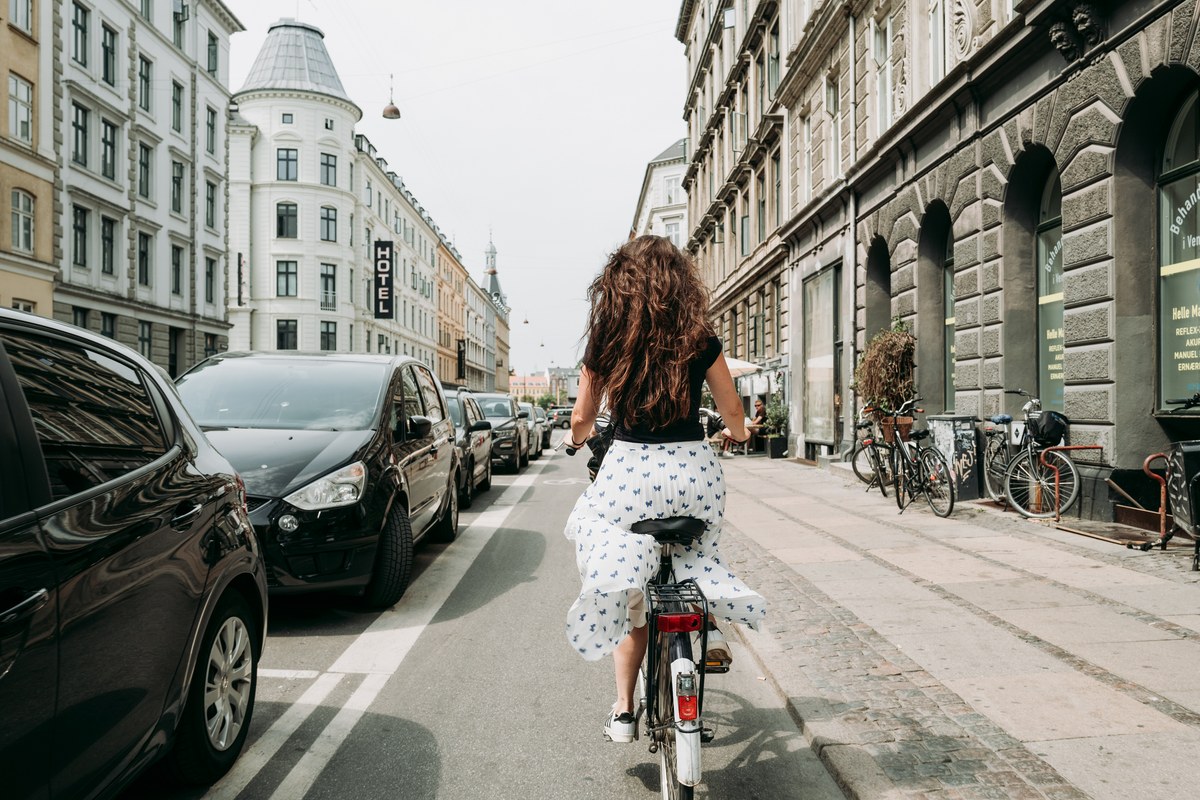
This guide is for you if you are moving to Denmark – for a job or a research post, to study, to join a partner or family, as a refugee, or to come home after years abroad. Whether you are an EU citizen who registers after you arrive or you need a permit before you move to Denmark, living in Denmark as a foreigner starts with the same few offices: SIRI (the Danish Agency for International Recruitment and Integration), your kommune (municipality), Skattestyrelsen (the Danish Tax Agency), a bank and a GP.
Start by choosing your profile below, then read the 15 guides in the series – they go deeper into each step, from the CPR-nummer (personal identification number) to permanent residence. Keep this page as your address book. The step table shows what usually comes first, and every phone number, price, opening hour and address comes from an official source checked on 23 September 2026. Where we could not confirm a detail, we say so rather than guess.
Comparing countries? See how Denmark measures up against Sweden and Norway on jobs, pay and prices: Moving to Scandinavia.
Already living in Sweden or Norway? Moving or commuting between the Nordic countries has its own rules: Moving within Scandinavia.
Who are you? Choose your guide
Choose what fits you best and get your own step-by-step path, the rules that apply to you and which guides to read.
EU/EEA or Swiss citizen
Since 2026 a tax reform has brought new top-bracket taxes, and the personfradrag (personal allowance) is DKK 54,100. You can start work the day you arrive with no permit, but if you stay more than 3 months you need an EU residence document (no fee) before you can get a CPR number (civil registration number).
| Step | What to do |
|---|---|
| Apply online for an EU residence document | Staying over 3 months? Apply within 3 months of entry (within 6 months if you are job-seeking). There is no fee. To count as a worker you normally need 10–12 hours a week for 10–12 weeks. – Where: SIRI |
| Show up in person within 30 days | Visit a SIRI branch office within 30 days of applying online, or the case is closed as withdrawn. With all documents, processing is normally immediate (0 days), up to 1 month if more is needed. – Where: SIRI branch office (e.g. at International House Copenhagen) |
| Find a home you actually live in | You cannot get a CPR number until you live at a Danish address; municipalities usually expect 1 to 3 months there. Never pay a deposit before viewing the home and signing a lease. – Where: Private landlord or housing association |
| Register for your CPR number | Go in person to Borgerservice (Citizen Service) or an International Citizen Service centre with your EU residence document, passport or ID and proof of address, such as your rental contract. – Where: Citizen Service or International Citizen Service |
| Get your health card and GP | Once registered you choose a GP and get the yellow sundhedskort (health insurance card), posted about 2 to 3 weeks later (International House Copenhagen says 4). Seeing your GP is free. – Where: Your municipality |
| Set up MitID and your NemKonto | MitID (Denmark's digital ID) needs a CPR number and age 15+. Then register a NemKonto (the account public authorities pay into); processing takes about 1 week. – Where: Citizen Service or your bank |
| Sort out your tax card | Without a skattekort (tax card) your employer must withhold 55%. With a health card, a Danish address and MitID you can create it in TastSelv (E-tax); manual approval can take up to 5 days. – Where: Danish Tax Agency (Skattestyrelsen) |
| Consider joining an A-kasse | Unemployment insurance is voluntary: join an A-kasse (unemployment insurance fund) to be covered. Among other conditions, you need 1 year's membership before you can get dagpenge (unemployment benefit). – Where: An A-kasse of your choice |
| Rules that apply to you |
|---|
| Your EU residence document has no expiry date: it stays valid as long as you meet the EU conditions. |
| After 5 years of actual and real residence under EU rules you gain the right to permanent residence (no fee, normally 3 months' processing). |
| Each family member, including each child, must submit their own EU residence application. |
| As an EU worker, receiving public benefits will normally not end your right to live in Denmark. |
| Running your own registered business? Apply as a self-employed person instead: no fee, normally 2 months' processing. |
Source: SIRI (New to Denmark), Life in Denmark, Danish Tax Agency, read 23 September 2026
Read next: EU/EEA or Swiss citizen
Nordic citizen
Since 2026 new income-tax brackets apply and the personfradrag (personal allowance) is DKK 54,100. You need no visa, residence permit or EU residence document, but if you stay 6 months or more you must notify Folkeregistret (Civil Registration Office) and get a CPR number (civil registration number).
| Step | What to do |
|---|---|
| Find a home you actually live in | You cannot get a CPR number before you live at a Danish address; municipalities usually expect 1 to 3 months there. Never pay a deposit before viewing the home and signing a lease. – Where: Private landlord or housing association |
| Register with Folkeregistret | Go in person with your passport or ID, proof of address and the social security number from the Nordic country you are moving from. – Where: Citizen Service or International Citizen Service |
| Get your yellow health card | Your sundhedskort (health insurance card) is issued when you register and posted about 2 to 3 weeks later (International House Copenhagen says 4). It shows your GP. – Where: Your municipality |
| Sort out your tax card | You need a skattekort (tax card) to work; without one, 55% is withheld. Working here 3 months or less? You get a personal tax number instead of a CPR number. – Where: Danish Tax Agency (Skattestyrelsen) |
| Get MitID and a NemKonto | MitID (Denmark's digital ID) needs a CPR number and age 15+. All residents must have a NemKonto (the account public authorities pay into); it takes about 1 week to register. – Where: Citizen Service or your bank |
| Read your Digital Post | With a CPR number you automatically receive Digital Post (official digital mail) from public authorities from age 15, and reading it is your obligation. – Where: Agency for Digital Government |
| Ask about cross-border questions | Moving between Nordic countries raises its own questions. Info Norden, the Nordic Council of Ministers' official information service, is the place to ask. – Where: Info Norden (Nordic Council of Ministers) |
| Rules that apply to you |
|---|
| You are free to enter, live, study and work in Denmark without a visa or residence permit. |
| Family members who are Nordic citizens need no family reunification; non-Nordic family members apply under EU rules. |
| Nordic citizens meet the citizenship residence requirement after 2 years' uninterrupted residence. |
| Citizenship bill L98 lapsed on 26 February 2026 because an election was called; the ministry will as a rule not process applications until conditions are clear after the election. |
| You can enter without a passport, but must be able to identify yourself if asked; a driving licence or other official photo ID is enough. |
Source: SIRI (New to Denmark), Life in Denmark, Ministry of Immigration and Integration, read 23 September 2026
Read next: Nordic citizen
From the UK
Moving now, you apply as a non-EU national: in 2026 the Pay Limit Scheme requires a salary of at least DKK 552,000 a year. The Withdrawal Agreement only covers British citizens who took up residence before 31 December 2020, and its application period ended on 31 December 2023.
| Step | What to do |
|---|---|
| Choose your permit route | New arrivals since 1 January 2021 apply as third-country nationals, for example via the Pay Limit Scheme (DKK 552,000 a year in 2026), a Positive List or as a student. – Where: SIRI |
| Apply and pay the fee | Work-based permits (Pay Limit Scheme, Fast-track, Positive List, Researcher) cost DKK 6,810. Normal processing under the Pay Limit Scheme is 1 month (up to 3). – Where: SIRI |
| Register for your CPR number | Once you live at a Danish address, take your permit, passport and proof of address to Borgerservice (Citizen Service) or an International Citizen Service centre for a CPR number (civil registration number). – Where: Citizen Service or International Citizen Service |
| Get your tax card | Without a skattekort (tax card), 55% tax is withheld. You can apply no earlier than 1 month before your job starts; the digital form route takes about 2 weeks. – Where: Danish Tax Agency (Skattestyrelsen) |
| Open a Danish bank account | Under the Pay Limit Scheme your salary must be paid into a Danish account in your own name, opened within 180 days of the permit being granted or of your entry. – Where: Your bank |
| Exchange your UK driving licence | A licence from Great Britain or Northern Ireland can be used for 180 days after you take up residence; as a rule it can then be exchanged for a Danish one without a driving test. – Where: Your municipality |
| Covered by the agreement? Renew your card | Your Withdrawal Agreement residence card is valid for up to 10 years and must then be renewed; the card's limited validity does not affect your right to permanent residence. – Where: SIRI |
| Cross-border worker? Get the card | If you live in one country and work in the other, apply for a cross-border worker card to keep your right to work in Denmark. – Where: SIRI |
| Rules that apply to you |
|---|
| To be covered by the Withdrawal Agreement you must have taken up residence before 31 December 2020; no dispensation is granted. |
| Applied after 31 December 2023? Your agreement rights have lapsed; only reasonable grounds for the delay, set out on form BR1, can be considered. |
| Withdrawal Agreement status applies only in Denmark, but you can still travel in Schengen for 90 days within 180 days. |
| Close family of a covered UK citizen can still join later, as long as the relationship continues and the UK citizen still lives in Denmark. |
| British citizens who also hold Danish or other EU nationality may, but need not, apply for a Withdrawal Agreement document. |
Source: SIRI (New to Denmark), Danish Tax Agency, Life in Denmark, read 23 September 2026
Read next: From the UK
From the US or elsewhere outside the EU
From 1 January 2026 the Pay Limit Scheme requires at least DKK 552,000 a year (up from DKK 514,000 in 2025), and the Positive Lists were updated on 1 July 2026. Your first step is a residence and work permit, so check which scheme your job offer fits before anything else.
| Step | What to do |
|---|---|
| Pick your scheme | Pay Limit Scheme: DKK 552,000+ a year (2026). Supplementary Pay Limit: DKK 446,000+. Or a Positive List job matching your education. SIRI-certified employers can use Fast-track. – Where: SIRI |
| Apply and pay the fee | The fee is DKK 6,810. Normal processing: Pay Limit Scheme 1 month (up to 3); Positive List for Skilled Work 3 months (up to 4). – Where: SIRI |
| Plan your arrival | Applying from abroad, your permit can start 1 month before your job begins, or only 14 days before if you cannot declare funds to support yourself and your family. – Where: SIRI |
| Register for your CPR number | Staying 3 months or more, you need a CPR number (civil registration number). Bring your permit, passport and proof of address to Borgerservice (Citizen Service) or an International Citizen Service centre. – Where: Citizen Service or International Citizen Service |
| Get your tax card | Without a skattekort (tax card), 55% is withheld. Apply no earlier than 1 month before you start; with a health card, address and MitID (digital ID) you can create it yourself. – Where: Danish Tax Agency (Skattestyrelsen) |
| Open a Danish bank account | Pay Limit salary must go into a Danish account in your own name, opened within 180 days of the permit or your entry. Most banks also ask US citizens for their social security card. – Where: Your bank |
| Bring your family | Your spouse, registered or cohabiting partner and children under 18 living at home can be granted permits with you. – Where: SIRI |
| Swap your driving licence | Drive on your licence for 180 days after taking up residence. US, Canadian and Australian licences can then be exchanged without a test; licences from countries not on the lists need theory and practical tests. – Where: Your municipality |
| Rules that apply to you |
|---|
| A new role with the same employer is fine under the Pay Limit Scheme; a new employer means a new permit application. |
| If a job of under 4 years ends, you automatically get a 6-month job-seeking permit, but you may not work during it. |
| A Danish residence and work permit does not allow you to work in other Schengen countries. |
| A new Pay Limit Scheme based on collective agreements is due on 1 January 2027; employers will need a separate certification for it. |
| Positive List job titles cannot be removed sooner than 2 years after they were added. |
Source: SIRI (New to Denmark), Danish Tax Agency, Life in Denmark, read 23 September 2026
Read next: From the US or elsewhere outside the EU
Highly qualified specialist
Since 1 January 2026 the Pay Limit Scheme requires DKK 552,000 a year, and a new top-bracket tax applies above DKK 777,900. Denmark does not offer the EU Blue Card (SIRI's list of schemes has none), so specialists use the Pay Limit Scheme, Fast-track or the Positive Lists. Key employees guaranteed DKK 65,400 a month may pay a flat 32.84% for up to 7 years.
| Step | What to do |
|---|---|
| Check the salary threshold | The Pay Limit Scheme needs DKK 552,000 a year (2026). Cash salary, pension contributions and paid holiday allowance count; a company car, phone, internet or housing do not. – Where: SIRI |
| Ask if your employer is certified | A SIRI-certified employer (at least 10 full-time permanent staff) can hire you through Fast-track, without waiting for SIRI to finish processing. – Where: Your employer and SIRI |
| Or use the Positive List | If your job is on the Positive List for People with a Higher Education (164 titles from 1 July 2026), your education must qualify you for it. The fee is DKK 6,810. – Where: SIRI |
| Apply and pay the fee | The Pay Limit Scheme fee is DKK 6,810, with normal processing of 1 month (up to 3). A contract of 4 years or more normally gives a 4-year permit, which can be extended. – Where: SIRI |
| Open a Danish bank account | Your salary must be paid into a Danish account in your own name, opened within 180 days of the permit being granted or of your entry. – Where: Your bank |
| Check the researcher tax scheme | Under forskerskatteordningen (researcher tax scheme), key employees guaranteed DKK 65,400 a month (2026) pay 32.84% for up to 7 years, if not liable to Danish tax for 10 years. – Where: Danish Tax Agency (Skattestyrelsen) |
| Bring your family | Your spouse, registered or cohabiting partner and children under 18 living at home can be granted permits with you. – Where: SIRI |
| Rules that apply to you |
|---|
| Danish permits for specialists are national residence and work permits: they do not let you work in other Schengen countries. |
| 2026 brackets: 7.5% middle-bracket tax above DKK 641,200, 7.5% top-bracket tax above DKK 777,900 and 5% additional top-bracket tax above DKK 2,592,700. |
| You can use the researcher tax scheme only once in your life, but the 7 years may be split into several periods. |
| A new role with the same employer is fine; a new employer means a new permit application. |
| A Pay Limit Scheme based on collective agreements is due on 1 January 2027 and will need its own employer certification. |
Source: SIRI (New to Denmark), Danish Tax Agency, read 23 September 2026
Read next: Highly qualified specialist
Researcher or PhD student
From 1 October 2026 SIRI checks whether your pay meets Danish standards against updated income statistics, and unsalaried PhD students must show DKK 7,426 a month (2026 level). The big advantages: the researcher tax scheme can tax gross pay at a flat 32.84% for up to 7 years, and your permit does not lapse if you give up your Danish address while abroad.
| Step | What to do |
|---|---|
| Check you qualify as a researcher | There must be a research-related reason for the job, and research must be the main purpose of your stay. You do not have to be employed full time. – Where: Your host institution |
| Apply for the researcher permit | The fee is DKK 6,810, with normal processing of 1 month (up to 2). Benefits in kind such as housing, a car, phone or per diems do not count when SIRI checks your pay. – Where: SIRI |
| PhD student? Use the PhD route | A full-degree PhD permit costs DKK 3,060. Unsalaried, you must show DKK 7,426 a month (up to DKK 89,112); if you are salaried, your contract proves you can support yourself. – Where: SIRI |
| Guest researcher? Show your funds | Unpaid guest researchers need at least a Master's degree and funds of DKK 12,770 a month alone, or DKK 25,540 with a spouse (2025 level). – Where: SIRI |
| Short visit of 90 days or less | Invited to teach or research for 90 days or less? You may not need a permit. If you know you will stay longer, your permit must also cover the first 90 days. – Where: SIRI |
| Register for CPR and a tax card | Register for a CPR number (civil registration number) in person at Borgerservice (Citizen Service) or an International Citizen Service centre, then get your skattekort (tax card). – Where: Citizen Service and Danish Tax Agency |
| Ask about the researcher tax scheme | Forskerskatteordningen (researcher tax scheme) taxes gross pay at 32.84%: 8% AM-bidrag (labour market contribution) plus 27%, with no deductions. You must not have been liable to Danish tax for 10 years. – Where: Danish Tax Agency (Skattestyrelsen) |
| Bring your family | Your spouse or partner and children under 18 can be granted residence permits alongside you. – Where: SIRI |
| Rules that apply to you |
|---|
| Your researcher permit lets you take sideline jobs with other employers without a separate work permit. |
| Researchers and full-degree PhD students may give up their Danish address while abroad without the permit lapsing. |
| A new role or project with the same employer is fine; a new workplace needs a new permit. |
| With a contract of 4 years or more you normally get a 4-year permit; a shorter job gives a permit matching it. |
| Changing jobs on the researcher tax scheme? There may be no more than 1 month between the two jobs. |
Source: SIRI (New to Denmark), Danish Tax Agency, Life in Denmark, read 23 September 2026
Read next: Researcher or PhD student
Student
Since 1 July 2024 students with a work permit may work 90 hours a month and full-time in June, July and August. Since 2 May 2025, new applicants to non-state-approved programmes get no work permit and cannot bring family. EU/EEA and Swiss students need no permit, only an EU residence document.
| Step | What to do |
|---|---|
| Secure a full-time place | You must be admitted to a full-time higher educational programme; permits are not granted for part-time study. Check whether your programme is state-approved. – Where: Your university or college |
| Show your funds | Non-EU students must show DKK 7,426 for each month of study (2026 level), up to DKK 89,112 for a programme of 12 months or more. – Where: SIRI |
| Apply and pay the fee | The fee is DKK 3,060, with normal processing of 2 months (up to 3). Under 18? Both parents must sign a consent and the school must confirm proper living conditions. – Where: SIRI |
| EU/EEA or Swiss? Get a residence document | You need no residence permit. Staying over 3 months, apply for an EU residence document and appear in person at SIRI within 30 days of applying online. – Where: SIRI |
| Register for your CPR number | Living at a Danish address? Get a CPR number (civil registration number) at Borgerservice (Citizen Service) or an International Citizen Service centre with your permit or EU document, ID and address proof. – Where: Citizen Service or International Citizen Service |
| Get a tax card before your first job | Without a skattekort (tax card), 55% is withheld. On a frikort (tax-exemption card) you can earn DKK 54,100 in 2026 before income tax; the 8% AM-bidrag (labour market contribution) still applies. – Where: Danish Tax Agency (Skattestyrelsen) |
| Keep track of your hours | Stay within 90 hours a month from September to May. Working more is illegal work and can mean a warning, a fine or losing your permit. Unpaid non-profit volunteering does not count. – Where: SIRI |
| Plan for after graduation | After a full state-approved programme you can normally get a 6-month or 3-year job-seeking permit, with the same work rights as during your studies. – Where: SIRI |
| Rules that apply to you |
|---|
| Applied on or after 2 May 2025 for a non-state-approved programme? You get no permits for family, and no work permit unless you are covered by the EU-Turkey Association Agreement. |
| Since 15 September 2026 non-state-approved programmes are assessed by the Danish Accreditation Council's secretariat; EVA (Danish Evaluation Institute) closed on 1 July 2026. |
| A mandatory internship in your programme automatically comes with a full-time work permit for its duration. |
| Your permit can be extended by up to 1 year if your studies run over, or up to 2 years in total after pregnancy or parental leave. |
| A student permit can only be valid until 3 months before your passport expires. |
Source: SIRI (New to Denmark), Life in Denmark, Danish Tax Agency, read 23 September 2026
Read next: Student
Joining a partner or family
For spousal family reunification at 2026 levels, your partner in Denmark normally sets aside a DKK 61,709.34 guarantee and you pay a DKK 8,490 fee, with up to 10 months' processing. Since 2 May 2025, family cannot join a student on a non-state-approved programme who applied on or after that date. Joining a worker or student is a separate scheme.
| Step | What to do |
|---|---|
| Work out which scheme fits | Joining a worker or student? Apply as an accompanying family member. Joining a Danish citizen, permanent resident or refugee? That is family reunification, with its own requirements. – Where: SIRI or Danish Immigration Service |
| Check the age and visit rules | You and your partner normally must both be 24 (you may apply once the younger is 23 years and 6 months), and you must normally have visited Denmark legally at least once. – Where: Danish Immigration Service |
| Meet 4 of 6 integration conditions | Together you must meet 4 of 6 conditions (3 for each of you), covering Danish language, years in work, education and, for your partner, income or active citizenship. – Where: Danish Immigration Service |
| Arrange the guarantee and housing | Your partner normally sets aside DKK 61,709.34 (2026) as a bank guarantee or in escrow. The home needs 20 sq. metres per person or no more than twice as many residents as rooms, outside listed areas. – Where: Your partner's bank |
| Apply and pay the fee | The fee is DKK 8,490 and the expected maximum processing time is 10 months. Your first permit is typically valid for 2 years. – Where: Danish Immigration Service |
| Pass your Danish tests | After approval you normally must pass a Danish test at A1 level within 6 months and at A2 level within 9 months, or your permit can be revoked. – Where: Municipal language centre |
| Register and start Danish classes | Register for a CPR number (civil registration number) at Borgerservice (Citizen Service). At 18+ you can take free municipal Danish courses; Copenhagen asks a refundable DKK 2,000 deposit. – Where: Citizen Service and your municipality |
| Check family benefits | Children over 26 weeks are guaranteed a daycare place. Børne- og ungeydelse (child and youth benefit) normally needs 6 years' residence or work in Denmark within the last 10. – Where: Your municipality and Udbetaling Danmark |
| Rules that apply to you |
|---|
| A partner who has received certain social benefits in the past 3 years cannot sponsor you. |
| Unmarried partners must have lived together at the same address for at least 18 months. |
| Both spouses must have attended the wedding in person, and both must have been at least 18 at the time. |
| If your partner is not a Danish or Nordic citizen, they must have held permanent residence for at least the past 3 years. |
| Your permit can be extended if you continue to meet the requirements. |
Source: SIRI and Danish Immigration Service (New to Denmark), Life in Denmark, Udbetaling Danmark, read 23 September 2026
Read next: Joining a partner or family
- Part 2 · Work permit or EU residence document
- Part 11 · Learn Danish in Denmark
- Part 1 · The first 30 days in Denmark
- Part 3 · CPR number in Denmark
- Part 9 · Child benefit, parental leave and sick pay in Denmark
- Part 10 · Childcare and school in Denmark
- Part 15 · Permanent residence in Denmark and Danish citizenship
Refugee or protection status
A new regulation on the introduction programme took effect on 1 February 2026: within a 5-year introduction period, a contract must be agreed within 1 month of your municipality taking over, aimed at ordinary work within 1 year if possible. People admitted under the special Ukraine law stay under the older rules.
| Step | What to do |
|---|---|
| Apply for asylum in Denmark | You can only apply from inside Denmark: in person at a police station or the police in Center Sandholm. If you already hold another permit, go to the police where you live. – Where: Danish Police |
| Understand your status | Denmark grants Convention status (section 7(1)), protection status (section 7(2)) and temporary protection status (section 7(3)). Permit lengths and family rules differ. – Where: Danish immigration authorities |
| Start your introduction programme | Your contract can include Danish education, guidance and upskilling, virksomhedspraktik (workplace internship) and ansættelse med løntilskud (wage-subsidised job) for up to 1 year. – Where: Your municipality |
| Take free Danish classes | On an integration programme you can get free Danish classes for up to 5 years. They are offered to you automatically, and you pay no deposit. – Where: Municipal language centre |
| Get CPR, MitID and NemKonto | Register for a CPR number (civil registration number), then get MitID (Denmark's digital ID, age 15+) and a NemKonto (the account public authorities pay into). – Where: Citizen Service |
| Renew your permit in time | Convention status: extensions of up to 2 years at a time. Protection status: up to 1 year, then 2 years at a time. Temporary protection: 1 year at a time, 2-year extensions after 3 years. – Where: Danish immigration authorities |
| Consider a work permit | Even while your asylum case is pending, a job on a Positive List or paying the Pay Limit Scheme salary lets you apply for a permit under that scheme. – Where: SIRI |
| Rules that apply to you |
|---|
| Temporary protection status (section 7(3)) has special rules on when your family can apply for reunification. |
| Permanent residence normally needs 8 years' legal residence (4 if you meet all 4 supplementary requirements); the fee on asylum grounds is DKK 4,970. |
| Certain social benefits bar permanent residence until 4 years after you last received them. |
| Recognised refugees meet the citizenship residence requirement after 8 years' uninterrupted residence. |
| Citizenship bill L98 lapsed on 26 February 2026 because an election was called; the ministry will as a rule not process applications until conditions are clear after the election. |
Source: SIRI and Danish Immigration Service (New to Denmark), Retsinformation, City of Copenhagen, read 23 September 2026
Read next: Refugee or protection status
- Part 2 · Work permit or EU residence document
- Part 11 · Learn Danish in Denmark
- Part 1 · The first 30 days in Denmark
- Part 3 · CPR number in Denmark
- Part 9 · Child benefit, parental leave and sick pay in Denmark
- Part 10 · Childcare and school in Denmark
- Part 15 · Permanent residence in Denmark and Danish citizenship
Returning Dane
The window for reclaiming lost Danish citizenship by declaration ran from 1 July 2021 to 30 June 2026. Former Danes and people of Danish descent can apply for a residence permit based on strong ties, which can make you eligible for permanent residence after 1 or 2 years if you meet certain requirements.
| Step | What to do |
|---|---|
| Re-register your address | Staying 3 months or more, notify Folkeregistret (Civil Registration Office) at Borgerservice (Citizen Service). Forgotten the last four digits of your CPR number (civil registration number)? Ask Folkeregistret. – Where: Citizen Service |
| Update tax, MitID and NemKonto | Get a skattekort (tax card) before your first Danish payday; without one, 55% is withheld. Check your MitID (digital ID) and NemKonto (the account public authorities pay into). – Where: Danish Tax Agency and your bank |
| Former Dane? Apply on strong ties | Former citizens, people of Danish descent and the Danish minority in South Schleswig or Argentina can apply (form SG3). The expected maximum processing time is 10 months. – Where: Danish Immigration Service |
| Document your Danish roots | Bring each dåbsattest (birth certificate). Descent normally means both parents, or all four grandparents, were natural-born Danish citizens. – Where: Danish Immigration Service |
| Submit from abroad or in Denmark | Abroad: apply at a Danish mission or outsourcing office. Legally in Denmark: send it to the Immigration Service's Citizen Service by contact form or post. Fingerprints and a photo are normally taken. – Where: Danish mission or Danish Immigration Service |
| Check your driving licence | If your Danish licence expired 3 years ago or more, you must pass a new theory and practical test before it can be renewed. – Where: Citizen Service |
| Join an A-kasse early | Unemployment insurance is voluntary. You need at least 1 year's membership of an A-kasse (unemployment insurance fund) before you can get dagpenge (unemployment benefit). – Where: An A-kasse of your choice |
| Rules that apply to you |
|---|
| A strong-ties permit is typically valid for 1 year at first, and you may work in Denmark while it is valid. |
| If you lost citizenship under section 8a or 8b of the Danish Citizenship Act, you cannot use the former-citizen route. |
| Child and youth benefit normally requires 6 years' residence or work in Denmark within the last 10 years. |
| Non-EU partner? Spousal family reunification applies, including the 24-year requirement and a DKK 61,709.34 guarantee (2026 level). |
| The researcher tax scheme is only open if you have not been liable to Danish tax for 10 years. |
Source: Danish Immigration Service (New to Denmark), Ministry of Immigration and Integration, Life in Denmark, read 23 September 2026
Read next: Returning Dane
- Part 1 · The first 30 days in Denmark
- Part 2 · Work permit or EU residence document
- Part 3 · CPR number in Denmark
- Part 7 · Tax card in Denmark
- Part 9 · Child benefit, parental leave and sick pay in Denmark
- Part 12 · Driving licence in Denmark
- Part 15 · Permanent residence in Denmark and Danish citizenship
Starting a business or self-employed
Planning to hire from outside the EU? A new Pay Limit Scheme based on collective agreements is due on 1 January 2027 and needs its own certification. Non-EU founders can apply through Start-up Denmark (at most 75 permits a year); EU/EEA and Swiss citizens instead apply, with no fee, for an EU residence document as self-employed.
| Step | What to do |
|---|---|
| Get your idea approved first | A panel of experts appointed by Erhvervsstyrelsen (Danish Business Authority) must approve your idea as innovative, with growth potential, before you can apply to SIRI. – Where: Danish Business Authority |
| Show you can support yourself | Document funds for your first year: DKK 153,240 alone, DKK 306,480 with a spouse, or DKK 356,904 with a spouse and children (2025 level). – Where: SIRI |
| Apply and pay the fee | Submit form SD1 with the panel approval, proof of funds and proof of company ownership. The fee is DKK 3,060; normal processing is 2 months (up to 4). – Where: SIRI |
| Apply as a team if you like | Teams of up to 3 people can apply with one shared business plan. You must be an active owner: pure investors and holding companies do not qualify. – Where: SIRI |
| EU/EEA or Swiss? Register as self-employed | Establish and register your business in Denmark, then apply for an EU residence document as self-employed: no fee, normal processing 2 months (up to 4). – Where: SIRI |
| Business not running yet? | If your business is not yet fully established, EU/EEA and Swiss citizens can apply for an EU residence document as a person with sufficient funds instead. – Where: SIRI |
| Register for your CPR number | Living at a Danish address? Get a CPR number (civil registration number) at Borgerservice (Citizen Service) or an International Citizen Service centre with your permit or EU document, ID and address proof. – Where: Citizen Service or International Citizen Service |
| Rules that apply to you |
|---|
| Restaurants, shops, smaller trade and import/export businesses are normally not approved under Start-up Denmark. |
| A Start-up Denmark permit runs for up to 2 years and can be extended for up to 3 years at a time. |
| You may only work in the approved business; a new business or salaried job needs a new application, but you can start once you have applied. |
| Tell SIRI about significant changes: a major change of plan or a new business requires a new permit. |
| Your spouse or partner and children under 18 living at home can be granted permits with you. |
Source: SIRI (New to Denmark), Life in Denmark, read 23 September 2026
Read next: Starting a business or self-employed
The 15 guides
Move
Live
Denmark in numbers
Official statistics, fetched from the source. Each figure shows where it comes from and which period it covers.
| Figure | Latest | Source and period |
|---|---|---|
| Population | 6.03 million | Statistics Denmark, 1 Jul 2026 |
| Size of the economy (GDP) | €418 billion | Eurostat, 2025 |
| GDP per person | $76,970 | World Bank, 2025 |
| GDP growth | +4.6% | Eurostat, Q2 2026 vs a year earlier |
| Unemployment | 3.0% | Statistics Denmark, registered gross unemployment (different measure), Jul 2026 |
| Employment rate (age 20–64) | 79.9% | Eurostat, Q2 2026 |
| Inflation | 2.0% | Statistics Denmark, CPI annual change, Aug 2026 |
| Central bank rate | 2.10% | Danmarks Nationalbank current-account rate, 22 Sep 2026 |
| Average monthly pay | 50,652 DKK | Statistics Denmark, standardised monthly earnings incl. pension, 2024 |
| Price level (EU = 100) | 143 | Eurostat, 2024 |
| Born abroad | 14.4% | Eurostat, 1 January 2025 |
| €1 buys | 7.48 DKK | European Central Bank, 22 September 2026 |
Source: Eurostat, World Bank, European Central Bank and the national statistics office and central bank, read 23 September 2026.
| Pros |
|---|
| The fastest-growing economy of the three: +4.6% in Q2 2026 compared with a year earlier (Eurostat), and 2.9% in 2025 (World Bank). |
| The shortest usual working week for full-time employees: 38.1 hours (Eurostat, 2025). |
| High incomes: median disposable income €36,192 (Eurostat, 2025). |
| Stable against the euro: €1 = 7.48 kroner (ECB), kept stable by Danmarks Nationalbank’s fixed-exchange-rate policy. |
| Cons |
|---|
| The most expensive of the three: consumer prices 43% above the EU average, housing and energy 86% above (Eurostat, 2024). |
| Housing hits hardest: 23.4% of residents spend more than 40% of their income on housing (Eurostat, 2025). |
| Unemployment of 6.7% in July 2026 – higher than Norway’s 4.2% (Eurostat). |
Your first steps in Denmark, in order
| Step | What | Where | Typical time |
|---|---|---|---|
| 1 | From outside the EU/EEA, Switzerland and the Nordic countries? Then you need a residence and work permit. The main work routes are the Pay Limit Scheme (at least DKK 552,000 a year for applications from 1 January 2026), the Fast-track scheme (only through SIRI-certified employers) and the Positive Lists. The EU Blue Card is not among SIRI's work schemes. The fee for a work-based application is DKK 6,810. | SIRI, online through New to Denmark | Researchers: normally 1 month, up to 2. Higher-education students: normally 2 months, up to 3. Spouses and partners: up to 10 months expected. |
| 2 | EU/EEA and Swiss citizens can stay up to 3 months without registering. To stay longer, apply online for an EU residence document (registration certificate) within 3 months of arriving – 6 months if you are looking for work – and turn up in person within 30 days of applying. There is no fee. Nordic citizens need neither a permit nor this document. | A SIRI branch office, or SIRI's EU desk at International House Copenhagen | Normally immediate if you bring all your documents; up to 1 month if SIRI needs more information. |
| 3 | Find a home and move in – you cannot get a CPR number until you actually live at the address. Never pay a deposit before you have a signed lease. The deposit is normally 3 months' rent for a flat and 1 month's for a room. Almene boliger (housing-association homes) usually cost less but are let through waiting lists. | Private landlords and housing associations. A standard lease is available in Danish and English | Report any defects within 14 days of taking over the home, or you may have to pay for them. |
| 4 | Register your address and get your CPR number in person. Bring your passport or ID, your permit or EU residence document, proof of your Danish address such as a rental contract, and marriage, birth or custody papers if they apply. From then on, letters from the authorities arrive as Digital Post. | Borgerservice (Citizen Service) in your municipality, or an International Citizen Service centre such as International House Copenhagen | Required if you stay 3 months or more – 6 months for EU/EEA, Swiss and Nordic citizens. |
| 5 | Get MitID, Denmark's national eID and your key to public self-service, Digital Post and tax. Scan your passport or chip ID card in the MitID app – you need at least an iPhone 7 or a newer Android phone, and without a CPR number you use an 8-digit P code – or book an appointment at Citizen Service. | The MitID app, or Citizen Service in your municipality | At International House Copenhagen you can apply at the same appointment as your CPR registration. |
| 6 | Get your skattekort (tax card) – without one, your employer must withhold 55% of your salary. You cannot get it more than 1 month before your job starts. | Skattestyrelsen: online in E-tax if you have a CPR number, a Danish address and MitID; otherwise with form 04.063, also at International Citizen Service centres | Instant online; up to 5 days if it is checked by hand; about 2 weeks with the form. |
| 7 | Open a bank account and register it as your NemKonto, the account where public payments land – tax refunds, child benefit and salary from a public employer. Most banks ask for ID and an employment contract or invitation letter. If you are legally resident in an EU country, a bank must offer you a basic payment account, although it may refuse if you already have one at another Danish bank. | A bank of your choice; register your NemKonto with MitID | NemKonto registration: about 1 week. |
| 8 | Choose your læge (GP, family doctor) – seeing your GP is free, and hospital treatment is free with a referral. Your yellow sundhedskort (health insurance card) shows your CPR number and your GP; the Sundhedskortet app is a digital version in English. Changing GP later usually costs DKK 40 (2026). | When you register for your CPR number; your municipality issues the card and posts it to your Danish address | Card: about 2–3 weeks, according to Life in Denmark; International House Copenhagen says about 4 weeks. |
| 9 | Decide whether to join an a-kasse (unemployment insurance fund). Cover is voluntary, not automatic, and you do not have to join a trade union to join a fund. | One of the 21 a-kasser, which are private funds | You need at least 1 year's membership, among other conditions, before you can get dagpenge (unemployment benefit). |
| 10 | Start danskuddannelse (Danish education for adults): Danish Education 1, 2 and 3, each of six modules with an exam at the end. In Copenhagen it is open to everyone aged 18 or over with a CPR number and is free, but you pay a refundable DKK 2,000 deposit before your first class; people on an integration programme and au pairs are exempt. | A language centre, through your municipality | In Copenhagen you get a referral letter when you register, then have 30 days to tell your chosen centre. |
| 11 | Bringing a car, or a driving licence from outside the EU/EEA? Register the car in Denmark, and swap the licence for a Danish one – some countries' licences without a test, others only after a full driving test. | Motorstyrelsen (the Danish Motor Vehicle Agency) for cars; your municipality for licences | Car on foreign plates: register within 30 days of moving. Licence: valid for 180 days after you take up residence. |
Tax at a glance for 2026
| Tax or allowance | 2026 | What it means for you |
|---|---|---|
| AM-bidrag (labour market contribution) | 8% of your gross salary | Paid on all salary income. From 2026 it applies from the year you turn 18. |
| Personfradrag (personal allowance) | DKK 54,100 a year (age 18 and over) | Income up to this amount is free of ordinary income tax, though the 8% AM-bidrag still applies. It was DKK 51,600 in 2025 and will be DKK 55,700 in 2027. |
| Beskæftigelsesfradrag (employment allowance) | 12.75% of earned income, at most DKK 63,300 | A deduction for people in work. The rate rose from 10.65% under the old rules. |
| Kommuneskat (municipal tax) | Average 25.049% | Set by your municipality: Copenhagen 23.39% (the lowest of the 98 municipalities), Aarhus 24.52%, Odense 25.5%, Aalborg 25.6%. |
| Kirkeskat (church tax) | Average 0.867% for those who pay it | Paid by members of the Folkekirke (Church of Denmark), about 75% of taxpayers. Copenhagen 0.8%, Aarhus 0.74%, Odense 0.68%, Aalborg 0.98%. |
| Bundskat (bottom-bracket tax) | 12.01% | State tax on personal income above the personal allowance. |
| Mellemskat (middle-bracket tax) | 7.5% above DKK 641,200 | Counted on personal income after AM-bidrag. Part of the bracket structure that a tax reform introduced from 2026. |
| Topskat (top-bracket tax) | A further 7.5% above DKK 777,900 | On top of middle-bracket tax, after AM-bidrag. |
| Toptopskat (additional top-bracket tax) | A further 5% above DKK 2,592,700 | A new bracket from 2026, after AM-bidrag. |
| No tax card | 55% withheld | Without a Danish skattekort, your employer must withhold 55% of your salary – so get your tax card before your first payday. |
| Forskerskatteordningen (tax scheme for researchers and key employees) | 32.84% flat, for up to 7 years | That is 27% plus the 8% AM-bidrag, with no deductions or allowances. Key employees need a guaranteed monthly salary of at least DKK 65,400 in 2026, and you must not have been liable to tax in Denmark in the 10 years before the job starts. You can use the scheme only once in your life. |
The figures come from Skattestyrelsen and the tax ministry, Skatte- og Vækstministeriet. The Relocate in Europe salary calculator applies these 2026 rates to your own salary.
Emergency and health numbers
| Number | For what |
|---|---|
| 112 | Emergencies: police, fire brigade, ambulance and environmental emergencies. Free from any landline or mobile, even without credit, and it works across the EU. Calls are recorded; the operator asks what happened, where, when, how many are hurt and your number. |
| 114 | Police, non-emergency: report a crime that needs no urgent response, or ask a general question. From abroad: +45 114. |
| 1813 | Akuttelefonen (medical helpline) in Region Hovedstaden, the Capital Region, including Copenhagen: medical help when your own GP is closed. For an acute injury you can call around the clock. Text "Opkald" to 1813 to ask for a call back. |
| 1818 | Lægevagten (out-of-hours doctor) in Region Sjælland (Zealand), if you fall acutely ill when your GP is closed. |
| 70 11 07 07 | Lægevagten in Region Syddanmark (Southern Denmark), including Odense. |
| 70 11 31 31 | Lægevagten in Region Midtjylland (Central Denmark), including Aarhus: weekdays 16–08, weekends and public holidays around the clock. |
| 70 15 03 00 | Lægevagten in Region Nordjylland (North Denmark), including Aalborg, when your GP is closed. Always call before you go. |
| 82 12 12 12 | Giftlinjen (poison information line). |
| +45 33 37 00 37 | Block your MitID outside MitID Support's opening hours, for example if your phone is lost. |
The address book
Grouped by what you need. Phone numbers are written as each agency publishes them, with +45 where the agency gives it, and the hours in the phone column are phone hours. Where we could not confirm a detail from an official source, the cell says "See the agency's website".
Residence and identity
| Agency | What you use it for | Phone | Website | Visit / service office |
|---|---|---|---|---|
| SIRI (Danish Agency for International Recruitment and Integration) | EU residence document (registration certificate) for EU/EEA and Swiss citizens; residence and work permits, including the Pay Limit Scheme, Fast-track and the Positive Lists; researchers and students. Runs New to Denmark together with the Danish Immigration Service | 72 14 20 00, with topic lines 72 14 20 01 to 72 14 20 05; EU line +45 72 14 20 04. Mon, Wed and Thu 9–15, Fri 9–12; closed on Tuesdays and public holidays | nyidanmark.dk (newtodenmark.dk), siri.dk | Copenhagen citizen centre, by appointment only: Carl Jacobsens Vej 39, 2500 Valby. Local offices in Aarhus (Dokk1, Hack Kampmanns Plads 2), Odense (Borgernes Hus, Østre Stationsvej 15), Aalborg (Badehusvej 7), Esbjerg (Esbjerg Rådhus, Torvegade 74), Sønderborg (Holger Drachmanns Plads 5) and Rønne (Bornholms Lufthavn). EU desk at International House Copenhagen |
| Udlændingestyrelsen (Danish Immigration Service) | Permanent residence permits; runs New to Denmark together with SIRI | 35 36 66 00 | us.dk, nyidanmark.dk | Head office: Farimagsvej 51A, 4700 Næstved. For opening hours and citizen service it refers you to New to Denmark |
| International House Copenhagen – International Citizen Service East | EU residence document, CPR number, yellow health card, MitID, tax card and U2 form (for transferring unemployment benefit) under one roof, free of charge. Handles CPR registration for Copenhagen and 37 partner municipalities | +45 33 66 10 00. Mon–Wed 8–16, Thu 8–17, Fri 8–15 | ihcph.kk.dk, international.kk.dk | Nyropsgade 1, 1602 København V. Mon 9–15, Tue closed, Wed 11–17, Thu 9–15, Fri 9–14 |
| International Citizen Service (ICS) centres | Registration paperwork with several authorities in one place. Besides Copenhagen: Aarhus (ICS West), Odense (ICS South), Aalborg (ICS North), Esbjerg and Sønderborg | See Cities below for Aarhus, Odense and Aalborg | lifeindenmark.dk | See Cities below for Aarhus, Odense and Aalborg |
| Borgerservice (Citizen Service) in your kommune, with Folkeregistret (Civil Registration Office) | Registering your address and getting a CPR number, in person; MitID if you cannot use the app; reporting a move within Denmark – online from 4 weeks before and no later than 5 days after. In Odense, for example, Borgerservice also handles passports and driving licences | Your municipality – see Cities below | borger.dk, lifeindenmark.dk | Your local Citizen Service; MitID help is by appointment |
| MitID Support (Denmark's national eID) | Help with MitID, your personal key to public and many private digital services | +45 33 98 00 10, in Danish and English. Mon–Fri 8–20; weekends, public holidays and 5 June 10–16; 24 and 31 December 10–14. To block your MitID outside these hours: +45 33 37 00 37 | mitid.dk | Citizen Service in your municipality, by appointment |
| Digital Post Support | Your official mailbox: you receive Digital Post from the authorities from age 15, and reading it is an obligation. Read it on Life in Denmark, the Digital Post app, e-Boks or mit.dk. Since 9 July 2026 the app no longer works on older Android phones that cannot be upgraded | +45 33 98 00 33. Mon–Fri 8–20, weekends and holidays 10–16 | lifeindenmark.dk | – |
Money, work and social insurance
| Agency | What you use it for | Phone | Website | Visit / service office |
|---|---|---|---|---|
| Skattestyrelsen (Danish Tax Agency) | Tax card, personal tax number, your forskudsopgørelse (preliminary income assessment, published each November) and årsopgørelse (tax assessment notice, each March) – all in E-tax | Individuals +45 72 22 28 92: Mon 9–17, Tue–Thu 9–16, Fri 9–14. First tax card +45 72 22 27 80. Preliminary income assessment +45 72 22 27 95. General 72 22 18 18 | skat.dk | Tax card and personal tax number also at International Citizen Service centres |
| Udbetaling Danmark (the national benefits payment body) | Child and youth benefit, barselsdagpenge (parental leave benefit), housing benefit, pensions, holiday pay, the blue EU health insurance card and the special health card | No single newcomer line – each benefit area has its own contact point. International health insurance +45 70 12 80 81. Pension 70 12 80 61 | borger.dk | See the agency's website |
| NemKonto – Digitaliseringsstyrelsen (Agency for Digital Government) | Your NemKonto, the bank account – Danish or foreign – where you receive public payments such as tax refunds, child benefit, unemployment benefit and holiday allowance. You need a CPR number to register one | +45 33 98 00 60 | nemkonto.dk | Postal address: Slotsgade 1, 4800 Nykøbing F |
| STAR (Danish Agency for Labour Market and Recruitment) – Jobnet and Workindenmark | Jobnet, the public employment service site with about 15,000 vacancies, mostly in Danish; Workindenmark, with 2,000–3,000 vacancies in English; and the unemployment-benefit system. To get dagpenge from day one, register as a jobseeker on Jobnet on your first day out of work | +45 72 21 74 00; EEA unemployment-insurance questions +45 72 21 74 03. Both Mon–Fri 9–15 | star.dk, jobnet.dk, workindenmark.dk | Vermundsgade 38, DK-2100 København Ø |
| A-kasser (unemployment insurance funds) | The 21 private funds that run voluntary unemployment insurance. You join one yourself; union membership is not required. In 2026 dagpenge are at most DKK 22,041 a month if you are insured full-time, and never more than 90% of your previous salary | See the agency's website | star.dk | The fund you choose |
Health and safety
| Agency | What you use it for | Phone | Website | Visit / service office |
|---|---|---|---|---|
| 112 (emergency number) | Police, fire brigade, ambulance and environmental emergencies. Free from any phone, even without credit | 112 | – | – |
| Politi (Danish Police) | Non-emergency matters and general enquiries; reporting a crime online; your police district's contact details | 114; from abroad +45 114 | politi.dk | Find your nearest station with the police's online tool. Copenhagen Airport Police Station: Petersdalvej 1A, 2770 Kastrup |
| Akuttelefonen 1813 (Region Hovedstaden – the Capital Region) | Medical help when your own GP is closed, if you are in the Capital Region, including Copenhagen. For an acute injury you can call around the clock. Text "Opkald" to 1813 for a call back | 1813 | akutberedskabet-regionh.dk | Call first |
| Lægevagten (out-of-hours doctor) in the four other regions | Medical help if you fall acutely ill outside your GP's opening hours | Region Sjælland 1818. Region Syddanmark (Odense) 70 11 07 07. Region Midtjylland (Aarhus) 70 11 31 31, weekdays 16–08, weekends and holidays around the clock. Region Nordjylland (Aalborg) 70 15 03 00 | regionsjaelland.dk, regionsyddanmark.dk, sundhed.rm.dk, rn.dk | Call before you go. The doctor may advise you by phone, ask you to come to an emergency centre or, in special cases, visit you at home |
| Giftlinjen (poison information line) | Poison information | 82 12 12 12 | – | – |
| sundhed.dk (the official health portal) | Finding healthcare providers, hospitals and pharmacies; seeing your publicly funded consultations with GPs, specialists and dentists back to 2003 | – | sundhed.dk | – |
| Lægemiddelstyrelsen (Danish Medicines Agency) | Medicine subsidy. In 2026 adults pay the first DKK 1,135 a year of subsidised medicine in full; above that the subsidy is 50%, then 75%, then 85%, and your own payment is capped at DKK 4,850 a year | See the agency's website | laegemiddelstyrelsen.dk | See the agency's website |
Moving goods, cars and pets
| Agency | What you use it for | Phone | Website | Visit / service office |
|---|---|---|---|---|
| Toldstyrelsen (Danish Customs Agency) | Household goods: if you have lived outside the EU for at least 12 months in a row, your belongings can come in free of duty and VAT, among other conditions – no earlier than 6 months before the move (with security) and no later than 12 months after. Alcohol, tobacco, commercial vehicles and professional equipment are excluded. Since 1 July 2026, customs duty applies to all web-shop goods from outside the EU | Private individuals 72 22 28 02: Mon 9–17, Tue–Thu 9–16, Fri 9–14. General 72 22 12 12 | toldst.dk | Head office: Lyseng Allé 1, 8270 Højbjerg |
| Færdselsstyrelsen (Danish Road Traffic Authority) | Driving licences. An EU/EEA licence needs no exchange. Other licences can be used for 180 days after you take up residence; licences from countries such as the UK, the USA, Canada, Australia and Japan can then be swapped without a test, others only after a full theory and practical test | +45 7221 8899. Mon–Thu 9.30–15.00, Fri 9.30–14.00 | fstyr.dk | Sorsigvej 35, DK-6760 Ribe. You apply for the exchange through your municipality |
| Motorstyrelsen (Danish Motor Vehicle Agency) | Importing and registering a vehicle, and registration tax. Tell the agency online before you import a car on foreign plates, then register it within 30 days. From outside the EU, 10% duty and 25% VAT generally apply. The 2026 registration tax rates depend on Bill No. 79 of 19 November 2025 being adopted | +45 72 22 27 96 | motorst.dk | See the agency's website |
| Fødevarestyrelsen (Danish Veterinary and Food Administration) | Travelling with pets: puppies and kittens must be at least 15 weeks old to move between EU countries, and since 22 April 2026 no more than 5 dogs, cats or ferrets may travel in one vehicle unless it is public transport. From outside the EU, pets enter through Copenhagen Airport, Billund Airport or Aalborg Airport (dogs and cats only). Also runs the Smiley food-hygiene scheme | Kundecenter (customer centre) 72 27 69 00 for TRACES and export-portal matters: Mon and Thu 9–12 and 13–15; Tue, Wed and Fri 9–12 | foedevarestyrelsen.dk | See the agency's website |
Education and qualifications
| Agency | What you use it for | Phone | Website | Visit / service office |
|---|---|---|---|---|
| Uddannelses- og Forskningsstyrelsen (Danish Agency for Higher Education and Science) | Free assessment of your foreign qualifications, normally within 1–2 months; there is no appeal against what the assessment says. Denmark has more than 100 regulated professions – from doctor and nurse to fork-lift truck driver – and each needs recognition from its own authority | See the agency's website | ufm.dk | See the agency's website |
| Styrelsen for Patientsikkerhed (Danish Patient Safety Authority) | Authorisation for health professionals, including doctors trained abroad, nurses, dentists, midwives, physiotherapists and psychologists – or registration as a temporary service provider | +45 7228 6600 | stps.dk | Islands Brygge 67, 2300 Copenhagen S |
| Sprogcenter (language centre) – danskuddannelse | Danish Education 1, 2 and 3. Prøve i Dansk 2 (Danish test 2) is a basic requirement for permanent residence, and Prøve i Dansk 3 is the general language requirement for citizenship | Through your municipality – see Cities below | international.kk.dk (Copenhagen) | The centre you choose – in Copenhagen, after your referral letter |
Your rights
| Agency | What you use it for | Phone | Website | Visit / service office |
|---|---|---|---|---|
| Forbrugerombudsmanden (Consumer Ombudsman) | Complaints about spam and misleading marketing. It is free to contact, but it gives no individual legal advice on consumer rights – for that it points you to forbrug.dk | Mainly web contact forms rather than a public phone line | forbrugerombudsmanden.dk | See the agency's website |
| Konkurrence- og Forbrugerstyrelsen (Danish Competition and Consumer Authority) | Consumer guidance on forbrug.dk; complaints about illegal card fees or about not being offered a free choice of card, such as Dankort or Visa | 4171 5000. Mon–Thu 9–16, Fri 9–15 | forbrug.dk | Carl Jacobsens Vej 35, 2500 Valby |
| Ankenævnet på Energiområdet (Danish Energy Supplies Complaint Board) | Complaints about an electricity bill or supply | See the agency's website | forbrug.dk (Klag online) | Contact through Digital Post or the online complaint service |
| Beredskabsstyrelsen (Danish Emergency Management Agency) | Preventing and responding to accidents and disasters, including fire-prevention advice for citizens; operates the warning sirens. The household advice to manage on your own for 3 days comes from Styrelsen for Samfundssikkerhed (Danish Agency for Societal Security), which also offers an online preparedness calculator | 7285 2000 (National Preparedness unit) | brs.dk | National Preparedness unit: Datavej 16, 3460 Birkerød |
Cities
| Agency | What you use it for | Phone | Website | Visit / service office |
|---|---|---|---|---|
| Københavns Kommune (City of Copenhagen) | General enquiries and Citizen Service, including housing questions and exemptions from digital applications. International House Copenhagen is the city's one-stop entry point for newcomers | +45 33 66 33 66 | kk.dk, international.kk.dk | International House Copenhagen, Nyropsgade 1, 1602 København V |
| Aarhus Kommune (City of Aarhus) | Citizen Service and the newcomer portal Moving to Aarhus from abroad, with step-by-step relocation guides | Citizen Service 89 40 22 22; general 89 40 20 00 | international.aarhus.dk | Citizen Service at Dokk1, Hack Kampmanns Plads 2, 8000 Aarhus C – appointment required. General address: Rådhuspladsen 2, 8000 Aarhus C |
| Odense Kommune (Odense Municipality) and International House Odense | Kontaktcenter (contact centre) and Borgerservice: passports, driving licences, address changes, marriage, job-seeking and sickness benefit, and acute social problems around the clock. International House Odense has a Citizen Service, a Newcomer Service and a Spouse Service | Kontaktcenter 66 13 13 72; International House Odense +45 63 75 60 40 (call centre) | odense.dk, internationalhouseodense.dk | International House Odense: Østre Stationsvej 15, first floor, 5000 Odense (Borgernes Hus) |
| Aalborg Kommune (Aalborg Municipality) and International House North Denmark | International House North Denmark is Aalborg's newcomer service, staffed by the municipality's employees, with links to residence permits, CPR and health-card booking | Municipality: See the agency's website. International House North Denmark: +45 99 31 15 30, Mon–Fri 8.30–15.00 | aalborg.dk, ihnd.dk | Rantzausgade 6, 9000 Aalborg: Mon 9–15, Tue and Wed closed, Thu 9–16.30, Fri 9–13.30 |
The four biggest cities
By train, Copenhagen to Odense takes about 1.5 hours, to Aarhus about 3 hours and to Aalborg about 4 hours. Transport prices below are for an adult 30-day Pendlerkort (commuter card) in 2026; Aarhus, Odense and Aalborg use the same zone prices.
Copenhagen
| Population | Public transport | Universities | Nearest airport | Newcomer service |
|---|---|---|---|---|
| 671,714 in Copenhagen Municipality on 1 January 2026 (Statistics Denmark) | Movia buses, with tickets and passes through Din Offentlige Transport (DOT), the joint fare system for Movia, DSB, the Metro and Lokaltog. Pendlerkort: DKK 530 for 2 zones, DKK 710 for 3 zones; metro supplement DKK 70 per 30 days | University of Copenhagen (Københavns Universitet), founded in 1479 | Copenhagen Airport, in Kastrup | International House Copenhagen, Nyropsgade 1, run by the City of Copenhagen |
Copenhagen's municipal tax rate for 2026 is 23.39%, the lowest in the country. The districts (bydele) with their own lokaludvalg (local committee) include Indre By, Christianshavn, Østerbro, Nørrebro, Vesterbro, Kongens Enghave, Valby, Vanløse, Brønshøj-Husum, Bispebjerg, Amager Øst and Amager Vest. Cycling is the most popular way to get around, and SIRI's Copenhagen citizen centre is in Valby.
Aarhus
| Population | Public transport | Universities | Nearest airport | Newcomer service |
|---|---|---|---|---|
| 378,361 in Aarhus Municipality on 1 January 2026, 305,227 of them in the urban area (Statistics Denmark) | Midttrafik: yellow city buses with six main A-lines (1A–6A), blue regional buses and the Letbane (light rail). Pendlerkort: DKK 435 for 1–2 zones, DKK 585 for 3 zones | Aarhus University, founded in 1928 – Denmark's second-largest, with about 37,000 students | Aarhus Airport, with a direct airport bus; Billund Airport further away, via the Billund Airport Bus | The city portal Moving to Aarhus from abroad; Citizen Service at Dokk1, by appointment |
The A-lines run 6–8 times an hour at rush hour along the main roads through the most populated areas. The Letbane links the city with Djursland to the north and Odder to the south, with a route towards Grenaa and more lines under development. Aarhus's municipal tax rate for 2026 is 24.52%.
Odense
| Population | Public transport | Universities | Nearest airport | Newcomer service |
|---|---|---|---|---|
| 213,168 in Odense Municipality on 1 January 2026, 187,558 of them in the urban area (Statistics Denmark) | FynBus buses and the Odense Letbane (light rail). Pendlerkort: DKK 435 for 1–2 zones, DKK 585 for 3 zones (prices from 18 January 2026) | University of Southern Denmark (SDU), main campus at Campusvej 55, 5230 Odense M | See the agency's website | International House Odense, Østre Stationsvej 15 |
The Letbane runs just over 14 km from Tarup in the north to Hjallese in the south, and a second phase is planned. Borgernes Hus at Østre Stationsvej 15 houses both International House Odense and SIRI's Odense office. Odense's municipal tax rate for 2026 is 25.5%. We could not confirm from an official Odense source which airport counts as the nearest, so we have left that cell open.
Aalborg
| Population | Public transport | Universities | Nearest airport | Newcomer service |
|---|---|---|---|---|
| 226,033 in Aalborg Municipality on 1 January 2026 (Statistics Denmark) | Nordjyllands Trafikselskab (NT). Pendlerkort: DKK 435 for 2 zones, DKK 585 for 3 zones | Aalborg University (AAU): 17,692 full-time students in 2025, 2,528 of them international | Aalborg Airport (Aalborg Lufthavn), with direct routes including London, Amsterdam and Copenhagen | International House North Denmark, Rantzausgade 6 |
Statistics Denmark counts Aalborg (122,550 people) and Nørresundby, across the Limfjord, as separate localities, although the two form one connected city. SIRI has a citizen-service location at Badehusvej 7, and Aalborg's municipal tax rate for 2026 is 25.6%.
Embassies in Denmark
Your embassy issues passports, registers births and helps in an emergency. These are the embassies most people moving to Denmark need – 33 countries. Addresses, phone numbers and e-mails were read on each embassy’s official website on 23 September 2026. Most consular services are by appointment only – book before you go.
Nordic & BalticEuropeAmericasAsia & PacificMiddle East & Africa
No embassy matches – try the country's name in English.
Nordic & Baltic
| Country | Embassy and contact |
|---|---|
| Estonia | Embassy of Estonia in Copenhagen · Store Kongensgade 66, st 1, 1264 Copenhagen · Phone +45 39 46 30 70 · E-mail Embassy.Copenhagen@mfa.ee · copenhagen.mfa.ee · Consular section entrance at Store Kongensgade 64; consular appointment hours Tue 13:00-17:00, Wed 09:00-12:00. Second phone line +45 26 43 00 46. |
| Finland | Embassy of Finland, Copenhagen · Grønningen 11, 1270 Copenhagen K · Phone +45 22 84 70 98 · E-mail konsuliaatit.koop@formin.fi · finlandabroad.fi/web/dnk · Phone is customer service, weekdays 09:00-11:00. Appointments are handled at a separate address. 24/7 emergency line for Finnish nationals abroad: +358 9 1605 5555. |
| Iceland | Embassy of Iceland in Copenhagen · Strandgade 89, DK-1401 København K · Phone +45 3318 1050 · E-mail copenhagen@mfa.is · government.is/ministries/diplomatic-missions/copenhagen-denmark · Opening hours Monday-Friday 09:00-16:00. Telephone hours Monday-Thursday 09:00-12:00, Friday 09:30-12:00. The Embassy also represents Iceland in Greenland and the Faroe Islands. |
| Latvia | Embassy of the Republic of Latvia to the Kingdom of Denmark · Rosbæksvej 17, 2100 Copenhagen · Phone +45 39 27 60 00 · E-mail embassy.denmark@mfa.gov.lv · www2.mfa.gov.lv/en/denmark · Consular section: tel +45 39 27 61 68 (Mon-Fri 13:00-15:00), email consulate.denmark@mfa.gov.lv, fax +45 39 27 61 73. Emergency (MFA Consular Dept, Riga): +371 26 33 77 11. |
| Lithuania | Embassy of the Republic of Lithuania in the Kingdom of Denmark and to Iceland · Sankt Annæ Plads 24A, 1250 København K · Phone +45 39 63 62 07 · E-mail amb.dk@urm.lt · dk.mfa.lt · Also accredited to Iceland. Consular matters: tel +45 39 45 22 78, email konsul@urm.lt. Additional office: Toldbodgade 18, 1.tv, 1253 København K. |
| Norway | Royal Norwegian Embassy, Copenhagen · Dampfærgevej 10, 4th floor, 2100 København · Phone +45 72 11 19 00 · E-mail emb.copenhagen@mfa.no · norway.no/en/denmark · Consulate (passports, national ID numbers, residence permits, citizenship): cph.konsulat@mfa.no. Public reception is by appointment only. |
| Sweden | Embassy of Sweden, Copenhagen · Amaliegade 5A, 1256 Copenhagen K · Phone +45 33 36 03 70 · E-mail ambassaden.kopenhamn@gov.se · swedenabroad.se |
Maps: Estonia Google / Apple · Finland Google / Apple · Iceland Google / Apple · Latvia Google / Apple · Lithuania Google / Apple · Norway Google / Apple · Sweden Google / Apple
Europe
| Country | Embassy and contact |
|---|---|
| France | Ambassade de France au Danemark (Embassy of France in Denmark) · Kongens Nytorv 4, 1050 København · Phone +45 35 15 80 18 · dk.ambafrance.org · Embassy services are not open to the public without appointment. General enquiries via the 'France Consulaire' phone line (local +45 35 15 80 18, or +33 1 86 65 32 85 from abroad); no direct email is published. |
| Germany | Botschaft der Bundesrepublik Deutschland Kopenhagen (Embassy of the Federal Republic of Germany, Copenhagen) · Göteborg Plads 1, 2150 Kopenhagen Nordhavn (Copenhagen) · Phone +45 35 45 99 00 · kopenhagen.diplo.de · No public email is listed; contact is via an online form. Legal & Consular Section shares the address. Out-of-hours emergency mobile (SMS possible): +45 40 17 24 90. |
| Greece | Embassy of Greece, Copenhagen · Hammerensgade 4, 3rd floor, 1267 Copenhagen K · Phone +45 3311 4533, +45 2130 6058, +45 3393 1646 · E-mail gremb.cop@mfa.gr · mfa.gr/denmark/en · Working hours 09:00-16:00. Head of Mission at time of reading: Fragiskos Kostellenos, Minister Plenipotentiary. |
| Ireland | Embassy of Ireland, Denmark · Østbanegade 21, 2100 Copenhagen Ø · Phone +45 35 47 32 00 · ireland.ie/en/denmark/copenhagen · No public email; general contact is via web form. Emergencies/after-hours: call the main number and leave a message for the Duty Officer (monitored regularly). |
| Italy | Ambasciata d'Italia a Copenaghen (Embassy of Italy in Copenhagen) · Gammel Vartov Vej 7, 2900 Hellerup · Phone +45 39 62 68 77 · E-mail info.copenaghen@esteri.it · ambcopenaghen.esteri.it |
| Netherlands | Embassy of the Kingdom of the Netherlands in Copenhagen · Toldbodgade 33, 1253 Copenhagen · Phone +45 33 70 72 00 · netherlandsandyou.nl/web/denmark · No public email; contact via web form, or WhatsApp +31 857 737 400 (text only, no calls, no sensitive data). |
| Poland | Ambasada Rzeczypospolitej Polskiej w Kopenhadze (Embassy of the Republic of Poland in Copenhagen) · Richelieus Allé 12, 2900 Hellerup · Phone +45 39 46 77 00 · E-mail copenhagen.info@msz.gov.pl · gov.pl/web/dania · Consular section (Referat Konsularny) at same address: email kopenhaga.konsul@msz.gov.pl, fax +45 39 46 77 88; consular district covers Denmark, Greenland and the Faroe Islands; emergency duty phone +45 27 83 70 79 (out of hours only). |
| Portugal | Embassy of Portugal in Copenhagen · Toldbodgade 31, 1.sal, 1253 Copenhagen K · Phone +45 33 13 13 01 · E-mail copenhaga@mne.pt · copenhaga.embaixadaportugal.mne.gov.pt · Consular Section: email sconsular.copenhaga@mne.pt, phone +45 33 36 00 71 (09:30-12:30); online booking at agendamentos.mne.gov.pt. |
| Romania | Embassy of Romania in the Kingdom of Denmark (Ambasada Romaniei la Copenhaga) · Strandagervej 27, 2900 Hellerup · Phone +45 39 40 71 77 · E-mail copenhaga@mae.ro (used only for contact with local authorities, not for consular queries) · copenhaga.mae.ro · Chancery phone number explicitly does not handle consular queries; a separate consular contact channel exists but was not captured in this read. The Embassy also covers Iceland (Republica Islanda) from Copenhagen. |
| Serbia | Embassy of Serbia, Copenhagen · Svanevænget 36, 2100 Copenhagen · Phone +45 39 29 71 61 · E-mail serbianemb@city.dk · copenhagen.mfa.gov.rs · Second phone +45 39 29 77 84; fax +45 39 29 79 19. |
| Spain | Embajada de España en Copenhague (Embassy of Spain in Copenhagen) · Kristianiagade 21, 2100 Copenhagen Ø · Phone +45 35 42 47 00 · E-mail emb.copenhague@maec.es · exteriores.gob.es/embajadas/copenhague · Consular section: email emb.copenhague.info@maec.es, fax +45 35 42 47 26; 24h consular emergency phone +45 27 28 11 52. |
| Ukraine | Embassy of Ukraine in the Kingdom of Denmark · Toldbodgade 37A, 1253 København K · Phone +45 33 18 56 20, +45 33 18 56 27 · E-mail emb_dk@mfa.gov.ua (Embassy) · denmark.mfa.gov.ua/en · Work schedule: Monday-Friday 10:00-14:00, only by prior arrangement. |
| United Kingdom | British Embassy Copenhagen · Kastelsvej 36-40, DK-2100 Copenhagen · gov.uk/world/organisations/british-embassy-copenhagen · Public access to embassies, high commissions and consulates is by appointment only; contact is via an online enquiry form, not a published phone/email. |
Maps: France Google / Apple · Germany Google / Apple · Greece Google / Apple · Ireland Google / Apple · Italy Google / Apple · Netherlands Google / Apple · Poland Google / Apple · Portugal Google / Apple · Romania Google / Apple · Serbia Google / Apple · Spain Google / Apple · Ukraine Google / Apple · United Kingdom Google / Apple
Americas
| Country | Embassy and contact |
|---|---|
| Brazil | Embaixada do Brasil em Copenhague (Embassy of Brazil in Copenhagen) · Jens Kofods Gade 1, st. th., 1268 Copenhagen K · gov.br/mre/pt-br/embaixada-copenhague · Phone and email are shown on the official page inside a tabbed 'CONTATOS' panel that could not be fully extracted in this research session; only the street address was confirmed as plain text. |
| Canada | Embassy of Canada to the Kingdom of Denmark · Kristen Bernikowsgade 1, 1105 Copenhagen K · Phone +45 3348 3200 · E-mail copen@international.gc.ca · international.gc.ca · Consular services: tel +45 3348 3200, email copen-cs@international.gc.ca, fax +45 3348 3220. |
| Mexico | Embajada de México en Dinamarca (Embassy of Mexico in Denmark) · Bredgade 65, 1er Piso (1st floor), 1260 Copenhague K · Phone +45 39 61 05 00 · embamex.sre.gob.mx/dinamarca · Main line is not for consular matters. Consular section: +45 39 29 57 44 (daily 11:00-13:00). After-hours emergency line for Mexican citizens: +45 30 64 59 06. |
| United States | U.S. Embassy Copenhagen · Dag Hammarskjölds Allé 24, 2100 København Ø (Copenhagen) · Phone +45 33 41 71 00 · E-mail CopenhagenQuestions@state.gov · dk.usembassy.gov · Fax +45 35 43 02 23. For immigrant visa cases, contact the U.S. Embassy in Stockholm; Greenland is served by U.S. Consulate Nuuk. |
Maps: Brazil Google / Apple · Canada Google / Apple · Mexico Google / Apple · United States Google / Apple
Asia & Pacific
| Country | Embassy and contact |
|---|---|
| Australia | Australian Embassy, Denmark · Dampfærgevej 26, 2nd floor, 2100 Copenhagen Ø · Phone +45 70 26 36 76 · E-mail copenhagen.embassy@dfat.gov.au · denmark.embassy.gov.au · Also accredited to Norway and Iceland. |
| China | Embassy of the People's Republic of China in the Kingdom of Denmark · Øregårds Allé 25, 2900 Hellerup · Phone +45 24 91 59 59 · E-mail copenhagen@csm.mfa.gov.cn · dk.china-embassy.gov.cn · Consular protection emergency line +45 60 10 91 46 (24h). Visa applications are handled separately by the China Visa Application Service Center, Lyngbyvej 28, 2100 Copenhagen Ø. |
| Japan | Embassy of Japan in Denmark · Havneholmen 25, 9th floor, 1561 Copenhagen V · Phone +45 33 11 33 44 · E-mail info@ch.mofa.go.jp · dk.emb-japan.go.jp · Visa & Consular Section: same phone, email ka@ch.mofa.go.jp; culture inquiries info.cph@ch.mofa.go.jp. |
| Pakistan | Embassy of Pakistan, Copenhagen · Valeursvej 17, 2900 Hellerup · Phone +45 39 62 11 88 · E-mail info@pakistanembassy.dk · mofa.gov.pk/copenhagen · Fax +45 39 40 10 70. |
| Philippines | Philippine Embassy, Copenhagen · Arne Jacobsens Allé 13, 1st floor, 2300 København · Phone +45 71 41 59 52, +45 2273 3933 (24 · E-mail philemb.dk@gmail.com · copenhagenpe.dfa.gov.ph · Consular Section email: consular.philemb.dk@gmail.com. |
| Thailand | Royal Thai Embassy, Copenhagen · Norgesmindevej 18, 2900 Hellerup, Copenhagen · Phone +45 39 62 50 10 · E-mail info@thaiembassy.dk · copenhagen.thaiembassy.org · Fax +45 39 62 50 59. Consular email consular@thaiembassy.dk; visa email visa@thaiembassy.dk. |
| Vietnam | Embassy of the Socialist Republic of Vietnam in the Kingdom of Denmark · Bernstorffsvej 30C, 2900 Hellerup, Copenhagen · Phone +45 39 18 39 32 · E-mail embvndk@mofa.gov.vn · vnembassy-copenhagen.mofa.gov.vn · Second line/fax: +45 39 18 41 71. |
Maps: Australia Google / Apple · China Google / Apple · Japan Google / Apple · Pakistan Google / Apple · Philippines Google / Apple · Thailand Google / Apple · Vietnam Google / Apple
Middle East & Africa
| Country | Embassy and contact |
|---|---|
| Iran | Embassy of the Islamic Republic of Iran, Copenhagen · Svanemøllevej 48, 2100 Copenhagen Ø · Phone +45 39 16 00 00 · copenhagen.mfa.ir · Phone range +45 39 16 00 00 to 39 16 00 03. Consular section at a separate address. |
| Iraq | Embassy of the Republic of Iraq in Copenhagen · Copenhagen · Phone +45 38 42 80 00 · E-mail copemb@mofa.gov.iq (Embassy) · mofa.gov.iq/copenhagen · No street address text is published on the embassy's own Contact page (only phone, two emails, and an embedded Google Maps pin labelled 'Irakisk Ambassade' at coordinates 55.6889579, 12.5900877). Consular section reachable via consulate1@iraqembassy.dk. |
Not listed yet: India, South Korea, Turkey, Syria, Afghanistan, Somalia, Eritrea, Ethiopia, Bosnia and Herzegovina, Sri Lanka and Nigeria. Their official pages could not be read and checked on 23 September 2026 – contact your home country’s foreign ministry, and we add them as soon as they are verified.
Good to know
Book ahead and check the weekday. SIRI's Copenhagen citizen centre sees you only with an appointment booked in advance – use its phone lines for general questions. SIRI's phone lines and International House Copenhagen's office are closed on Tuesdays, International House North Denmark on Tuesdays and Wednesdays, and Citizen Service at Dokk1 in Aarhus needs an appointment.
Cash, bottles and alcohol. Shops that take cards or payment apps must also accept cash from 06.00 to 22.00, or to 20.00 in areas designated as high robbery risk. Most drinks carry a pant (deposit) of DKK 1, DKK 1.50 or DKK 3 depending on the container, refunded when you return it to a shop that sells that kind. Shops may not sell drinks of 1.2% alcohol or more to anyone under 16, or 16.5% or more to anyone under 18.
Be ready for a crisis. The authorities recommend that every household can manage on its own for 3 days, with 3 litres of drinking water per person per day, food, medicine and a battery or wind-up radio. If there is serious danger in your area, warnings come as a mobile-phone alert, through outdoor sirens telling you to go indoors and follow DR or TV2, and as official preparedness announcements. Your phone can always call 112, even without credit.
What changed in 2026. Since 1 July, customs duty applies to everything you buy from web shops outside the EU, including parcels worth EUR 150 or less: a flat EUR 3 (about DKK 22) per item line, on top of VAT and the carrier's fee. The physical Rejsekort travel card closed on 30 June and remaining balances went to holders' NemKonto; travel with the Rejsekort app, a Basiskort or the Rejsebillet app instead. For refugees, the introduktionsprogram (introduction programme) has run under new rules since 1 February: within a five-year introduction period, your contract aims for ordinary work within a year where possible.
Renamed, closed and pending. The Danish Evaluation Institute (EVA) closed on 1 July 2026, and since 15 September its advisory statements on non-state-approved higher-education programmes come from the Danish Accreditation Council's secretariat. In June 2026 several Fødevarestyrelsen units moved to other ministries, and the tax ministry is now Skatte- og Vækstministeriet, successor to Skatteministeriet. The citizenship bill L98 lapsed on 26 February 2026 when a general election was called, and the Ministry of Immigration and Integration will not process applications under new conditions until it is clear after the election which conditions apply. Store Bededag (Great Prayer Day) has not been a public holiday since 1 January 2024.
Relocate in Europe provides general information, not legal or financial advice. Numbers, prices and opening hours were checked on 23 September 2026 – check with the agency before you visit.