Permanent residence in Norway and Norwegian citizenship – the 2026 rules, tests and fees
Last updated 25 September 2026Rules checked every MondayOfficial sourcesSources & methodology →
Three years on the right permit can make you eligible for permanent residence in Norway, and eight years for Norwegian citizenship, which since 2020 you can hold alongside your old one. Here are the 2026 rules on income, Norwegian tests, fees, shorter routes and keeping your status.
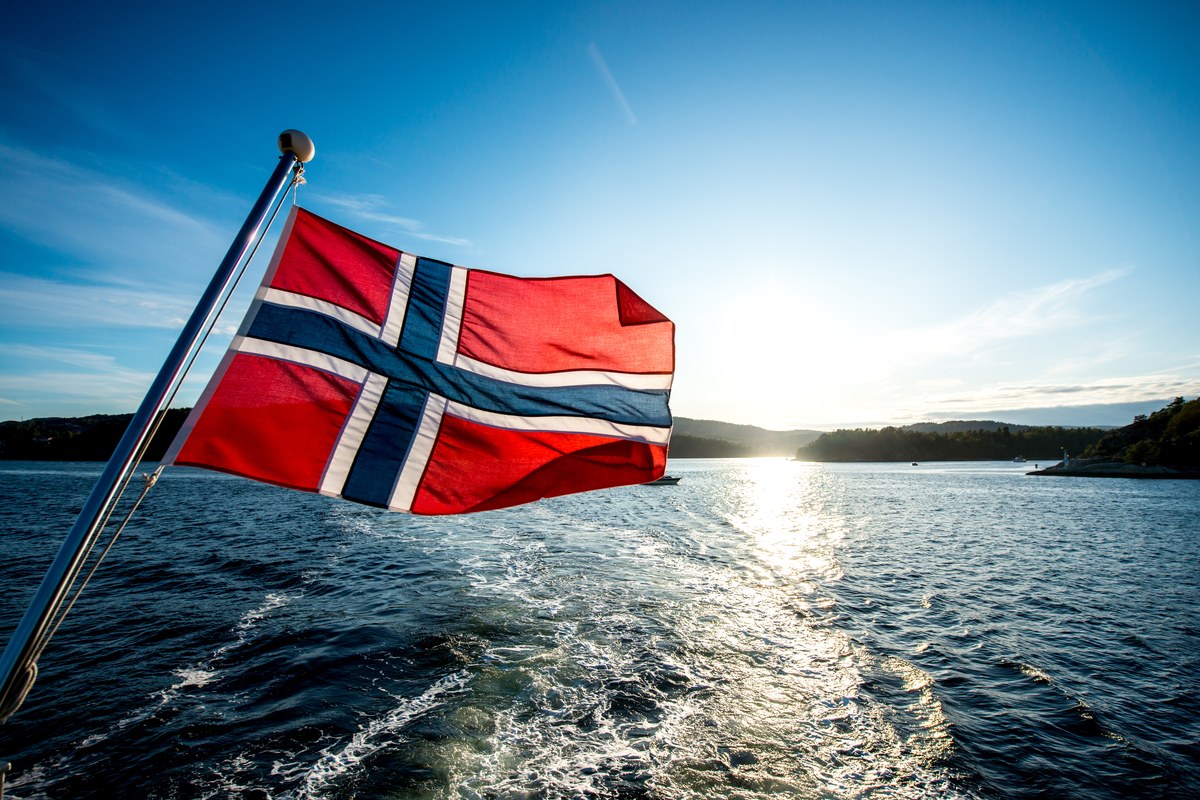
Permanent residence in Norway is the step between a temporary permit and Norwegian citizenship, and three dates matter for anyone applying in 2026. The oral Norwegian requirement, level A2 or higher, sits in a section of the Immigration Regulations whose current wording has applied since 1 September 2025. On 1 May 2026, grunnbeløpet, G (the National Insurance basic amount), which sets the income requirement, rose to NOK 136,549. And many British citizens' Brexit residence cards expire during 2026.
UDI (the Norwegian Directorate of Immigration) decides both kinds of application, and can also revoke permits and citizenship. This part is written for people who hold a residence permit. EU/EEA citizens do not need a permit to work in Norway (part 2) and should ask UDI which rules apply to them.
Who can get permanent residence in Norway?
The main rule, in section 62 of utlendingsloven (the Immigration Act), is three years of residence on permits that can lead to permanent residence; for other permit types the requirement is five years. Not every permit counts, so check yours before you start counting.
| Your permit | Counts towards permanent residence? |
|---|---|
| Skilled worker or specialist | Yes |
| Self-employed | Yes – the permit is tied to your business |
| Student | No |
| Researcher with own funding | No |
| British citizen under the Brexit separation agreement | Yes |
| British frontier worker, living outside Norway | No |
Source: the Immigration Regulations and UDI, read 23 September 2026.
Time abroad counts against you. According to UDI, during the standard three years you may be abroad for up to seven months in total. Skilled workers and specialists may be away for up to 15 months in total, provided at least 8 of those months were spent on assignments for the employer.
Permanent residence requirements in 2026
Besides residence time, the New in Norway guide from IMDi (the Directorate of Integration and Diversity) lists no criminal convictions, the ability to support yourself, and Norwegian and social studies tuition and tests. For applicants aged 18 to 67, the Immigration Regulations spell out the income and test requirements:
| Requirement | What applies in 2026 |
|---|---|
| Residence | Three years on a qualifying permit (five for some permits); at most seven months abroad in total |
| Self-support, last 12 months | At least 2.5 times G – about NOK 341,373 with G at NOK 136,549 – from work or business, pension, certain National Insurance benefits, student loan or grant, or introduction benefit |
| Norwegian | A passed oral test at level A2 or higher |
| Social studies | A passed test in samfunnskunnskap (social studies) |
| Conduct | No criminal convictions |
| Fee | NOK 4,000; children under 18 pay half |
Source: the Immigration Regulations, IMDi, NAV and UDI, read 23 September 2026.
The social studies test is one of three tests run by HK-dir (the Directorate for Higher Education and Skills), alongside norskprøven (the Norwegian test) and statsborgerprøven (the citizenship test). Norskprøven runs from level A1 to B2, with a separate C1 test at a higher academic level. Most applicants pay the application fee online, according to UDI.
Take Anna, an illustrative case. She came as a skilled worker in a job that needed her degree, spent six weeks abroad each summer and passed the A2 oral test in her second year. If her income over the past 12 months reaches 2.5 times G and she passes the social studies test, she can apply when her three years are up.
What does permanent residence give you – and how can you lose it?
A permanent residence permit, formerly called a settlement permit, lets you live and work in Norway indefinitely and gives you stronger protection against expulsion than a temporary permit. The permit itself does not expire, but the residence card that proves it is valid for two years at a time. Older permits were a sticker in the passport rather than a card.
You can lose it by staying away. Under the Immigration Regulations, the permit lapses if you spend more than two years abroad in total within any four-year period. Stays abroad of under two months in total per calendar year are not counted, and if you stay 15 months in Norway between two periods abroad, a new two-year period starts.
British citizens: UDI says many Brexit residence cards expire during 2026, and most holders will now need to apply for permanent residence or renew the card. Those who already had a permanent right of residence under the EEA rules by 31 December 2020 could get permanent residence directly under the Brexit scheme, and that permit only lapses after more than five consecutive years abroad.
How do I get Norwegian citizenship?
The general rule in section 7 of statsborgerloven (the Citizenship Act) is eight years of residence within the last 11, on residence permits of at least one year's duration, and you must meet the conditions for permanent residence. Under section 8, applicants aged 18 to 67 must also have reached level B1 in an oral Norwegian test, a level that has applied since 1 October 2022, and passed the citizenship test. UDI says your age, when you came to Norway and who you are married to can all affect how long you must have lived here.
| Your situation | Residence required |
|---|---|
| General rule | 8 of the last 11 years |
| Sufficient taxed income | 6 of the last 10 years |
| Recognised refugee | 7 of the last 10 years |
| Married to or cohabiting with a Norwegian citizen | 5 of the last 10 years; residence and marriage together at least 7 years |
| Nordic citizen, by application | The last 2 years; no permanent residence needed |
| Nordic citizen over 18, by notification | 7 years |
Source: the Citizenship Act and UDI, read 23 September 2026.
The fee in 2026 is NOK 6,500, and children under 18 pay nothing. You pay online as part of the electronic application; according to UDI, the fee can only be refunded if you have not yet attended your appointment to hand in the application in person.
The citizenship test – what to expect
Statsborgerprøven is set at language level A2 and draws its questions from the curriculum in Norwegian and social studies for adult immigrants, the same one the social studies test uses. It lasts at most 60 minutes and has 36 questions, four of them unscored trial items; you need 24 correct answers to pass. According to HK-dir, 92.4 per cent of candidates passed in 2025. A social studies test passed in Norwegian also counts for citizenship, but if you took it in another language, you must take the citizenship test.
Bring valid physical ID: a digital driving licence is not accepted. If you need extra time or a separate room, contact the test venue no later than three days after registering. Cheating can cost you the certificate, a one-year wait and a new test fee. HK-dir's test line, 40 63 17 35, is open Monday, Wednesday and Thursday 10:00–12:00 and 12:30–14:30.
Can you keep your old citizenship?
Since 1 January 2020, Norway has allowed you to hold Norwegian citizenship together with one or more others, with no conditions from Norway's side. Your other country may still withdraw its citizenship if it does not allow dual nationality, and checking that is your responsibility. If you later take another citizenship as well, you must tell the Norwegian authorities so that folkeregisteret (the National Population Register) can be updated.
What to do now
| Step | What | When |
|---|---|---|
| 1 | Check that your permit counts towards permanent residence | Now |
| 2 | Keep a log of your days abroad | From your first day |
| 3 | Take the oral Norwegian test (A2 for permanent residence, B1 for citizenship) and the social studies test | Well before you apply |
| 4 | Check your income over the last 12 months against 2.5 times G | Before you apply |
| 5 | Apply for permanent residence and pay NOK 4,000 online | When your three years are up |
| 6 | British citizens: apply for permanent residence or renew your Brexit card | Before the card expires |
| 7 | Check your home country's dual-citizenship rules, then apply for citizenship (NOK 6,500) | Once you meet the residence time |
Source: UDI, the Immigration Regulations and the Citizenship Act, read 23 September 2026.
Official sources
The official pages this guide is based on, read 23 September 2026. Links open the authority’s own website.
- UDI (Norwegian Directorate of Immigration) · udi.no
- UDI (Norwegian Directorate of Immigration) · udi.no
- UDI (Norwegian Directorate of Immigration) · udi.no
- HK-dir (Directorate for Higher Education and Skills) · hkdir.no
- HK-dir (Directorate for Higher Education and Skills) · hkdir.no
- IMDi (Directorate of Integration and Diversity) · imdi.no
- IMDi (Directorate of Integration and Diversity) · imdi.no
Relocate in Europe provides general information, not legal or financial advice for your individual situation. Check with the authority named above before you act – rules change, and your case may differ.