Staying for good in the Netherlands – permanent residence and Dutch citizenship in 2026
Last updated 25 September 2026Rules checked every MondayOfficial sourcesSources & methodology →
Five years and Dutch at level A2 still get you a permanent permit or a Dutch passport in 2026, although a bill to make it ten years is on its way to parliament. Here is how the permanent residence permit, EU long-term residence and naturalisation work, what they cost, and who must give up their old nationality.
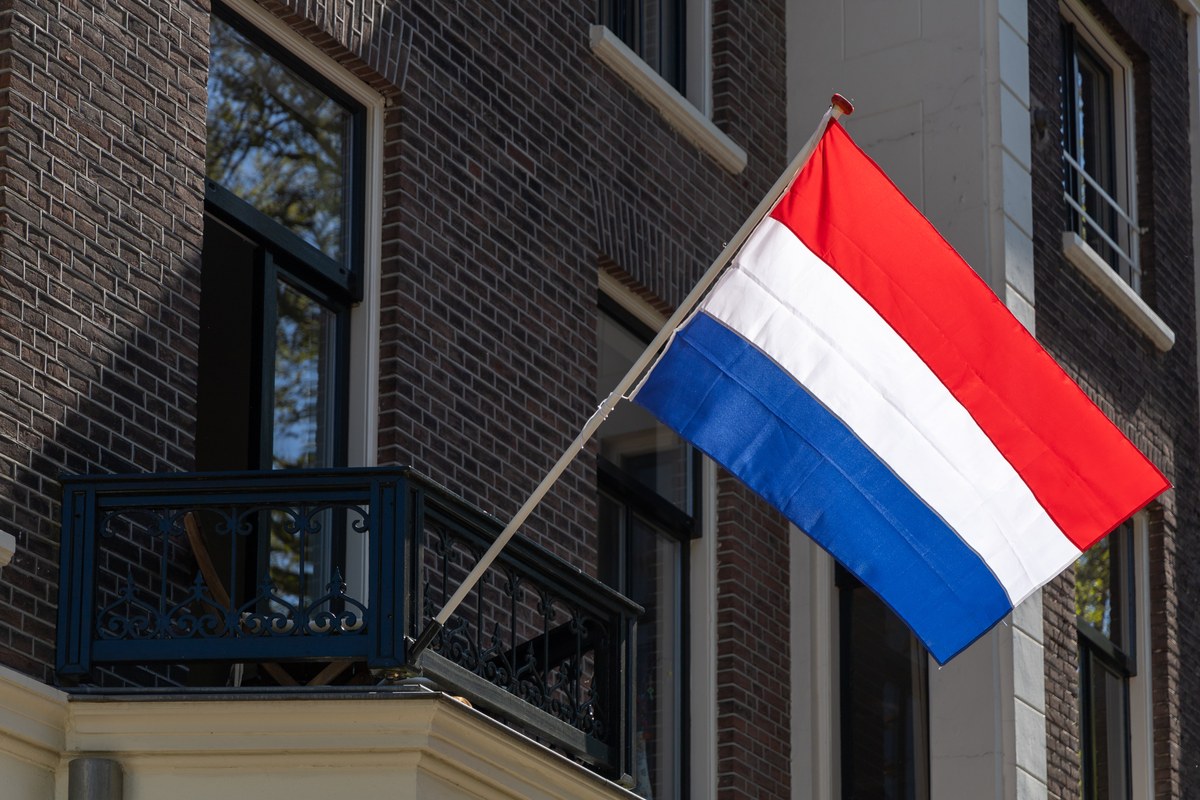
The law on 24 September 2026 is still this: after five consecutive years of lawful residence, with the civic integration exam passed at language level A2, you can apply for a permanent residence permit for €254 or for Dutch citizenship for €1,139. The government proposes to change both, but nothing has passed parliament.
| Requirement | Law in 2026 | Proposal and status |
|---|---|---|
| Years of residence for naturalisation | 5 consecutive years | A bill proposes 10; consultation closed 1 December 2025; still listed as in preparation |
| Dutch language for naturalisation | A2 | A draft decree would require B1; no consultation published by 24 September 2026 |
| Spouse of a Dutch citizen | 3 years living together; no residence term | The bill proposes 5 years of residence |
Source: the IND, Rijksoverheid and the government's legislative calendar, read 24 September 2026.
The IND (Immigratie- en Naturalisatiedienst) noted in February 2026 that the draft has no transitional rule for permit holders not yet naturalised and that every residence gap would restart the ten-year clock.
Permanent residence permit or EU long-term resident – which one?
Non-EU nationals have two permanent statuses, neither with an end date, both with free access to work. The verblijfsvergunning regulier voor onbepaalde tijd (permanent residence permit, type II) requires five consecutive years of a valid Dutch permit with your main residence here, always extended on time, a current permit for a non-temporary purpose, own income of €1,635.90 a month, registration in the BRP (Basisregistratie Personen – the population register) and the A2 exam or an exemption. Only years from age 8 count.
The EU long-term resident permit (type V) eases a later move to another EU country. It needs the same five years, with absences of at most six consecutive months and ten in total; study years count half, and temporary purposes such as an orientation year do not count. EU Blue Card holders can qualify after two years here preceded by twelve months with a Blue Card elsewhere in the EU.
| Status | Who | Fee 2026 | Decision and document |
|---|---|---|---|
| Permanent residence permit (type II) | Non-EU nationals, 5 years | €254 | Within 6 months; card valid 5 years, renewal €85 |
| EU long-term resident (type V) | Non-EU nationals, 5 years, limited absences | €254 | Within 6 months; valid 5 years |
| Permanent residence EU (duurzaam verblijf) | EU, EEA and Swiss citizens and family, 5 years | €85 (child €46) | Within 90 days; valid 10 years, 5 for under-18s |
| Withdrawal Agreement permanent document | UK nationals here before 1 January 2021, 5 years | €85 | Usually within 90 days; valid 10 years |
| Naturalisation | Normally after 5 years | €1,139; with partner €1,454; child €168 | Within 12 months, then a ceremony |
| Option procedure | Listed groups, such as former Dutch citizens | €241; with partner €412; child €27 | 13 weeks, extendable once by 13 weeks |
Source: the IND, read 24 September 2026.
Apply from three months before your permit expires – online with DigiD, paying via iDEAL or Wero, or by post.
How do EU citizens and UK nationals get permanent residence in the Netherlands?
As an EU, EEA or Swiss citizen you already have permanent residency after five years of meeting the residence conditions; from then on applying for social benefits does not cost you the right to stay. The document proving it, duurzaam verblijf, needs only a valid passport and BRP registration. UK nationals under the Withdrawal Agreement apply from three months before they reach five years. Since 12 June 2026 no new permanent asylum permit can be applied for (existing ones remain valid); the new card is valid three years, and after five years the EU long-term resident permit is open.
How do you get Dutch citizenship by naturalisation?
You apply, and pay, at the gemeente (municipality) where you live, which forwards the file to the IND. The IND must decide within twelve months, extendable. After a positive decision the King signs a Royal Decree, and you become Dutch only by attending the naturalisation ceremony within one year of the decision, where you make the declaration of solidarity.
| Condition for naturalisation | Detail |
|---|---|
| Age and identity | 18 or older; valid passport and, unless already in the BRP, a legalised, translated birth certificate |
| Residence | 5 consecutive years in the Kingdom with a valid permit, always extended on time; EU, EEA and Swiss citizens need no permit |
| Language | The civic integration exam (inburgeringsexamen) at A2 – language, Knowledge of Dutch Society (KNM), labour-market module and participation statement – or an exemption, such as the NT2 State Exam or a Dutch-taught diploma above primary level |
| Shorter terms | 3 years for spouses, registered or unmarried partners living with the same Dutch partner, and for stateless people; 2 years if earlier residence brings the total to 10 years or more |
| Public order | No custodial sentence, community service of 36 hours or more, fine of €900 or more, or driving ban of 2 months or more in the 5 years before |
Source: the IND, read 24 September 2026.
Children under 18 can be included; 16- and 17-year-olds need three years' residence and must agree. Dispensation from the exam is possible on medical grounds or after demonstrable effort – at least 600 hours of lessons and three failed attempts. Stateless people and asylum permit holders pay €847, or €1,163 with a partner.
Do you have to give up your other nationality?
Adults who naturalise must renounce their other nationality; minors do not. Dual nationality cannot be applied for, and a Dutch citizen who voluntarily takes another nationality loses the Dutch one – unless born and living in that country or taking a spouse's or registered partner's nationality.
| No renunciation needed if | Source |
|---|---|
| You are married to or the registered partner of a Dutch citizen on the date the Royal Decree is signed | IND |
| You hold an asylum permit, or EU long-term residence with the note international protection | IND |
| You were born in the Kingdom and live there now, or your country is not recognised by the Netherlands (Taiwan, for example) | IND |
| Renunciation is legally impossible (Iran) or not accepted in practice (Morocco), or loss is automatic (Suriname, China) | Rijksoverheid |
| Renouncing would cost a large sum, rights such as inheritance, or military service first – ask for the exemption when you apply | IND |
Source: the IND and Rijksoverheid, read 24 September 2026.
After the ceremony the IND writes, sometimes months later; you then have three months to send proof that you have asked to renounce, and if you do not do everything possible the IND can revoke your Dutch nationality. A dual national also loses it automatically after 13 consecutive years outside the Kingdom and the EU, unless the count restarts with a new Dutch passport or ID card or more than a year back in the EU.
The option procedure – faster and cheaper for some
Option is decided by the municipality, not the IND, within 13 weeks, extendable once by 13 weeks, and usually needs neither renunciation nor an exam. The main grounds for adults: living in the Kingdom since your fourth birthday – the one group that must renounce; 15 consecutive years of legal residence plus three years' marriage or registered partnership with a Dutch national; or being a former Dutch citizen with one year's residence on a permanent or non-temporary permit. Anna, a former Dutch citizen who has moved back, uses that one-year rule – unless she lost her nationality by failing to renounce after an earlier naturalisation.
What to do now
| Step | What | When |
|---|---|---|
| 1 | Check that every permit was extended on time and list your absences abroad | Now |
| 2 | Pass the A2 exam at DUO, or gather proof of an exemption | Well before year 5; an exam date can take over 6 weeks |
| 3 | Apply for the permanent residence permit online with DigiD; the IND checks the EU status for you | From 3 months before your permit expires |
| 4 | EU citizens: apply for the duurzaam verblijf document | After 5 years of continuous residence |
| 5 | Naturalisation: apply at your municipality with passport, birth certificate and diploma; pay €1,139 | After 5 years |
| 6 | Attend the ceremony; send the IND proof of renunciation if required | Within 1 year of the decision; 3 months after the IND letter |
Source: the IND and DUO, read 24 September 2026.
Official sources
The official pages this guide is based on, read 24 September 2026. Links open the authority’s own website.
- IND (page · ind.nl
- IND · ind.nl
- IND (page · ind.nl
- IND · ind.nl
- IND (page · ind.nl
- IND (page · ind.nl
- IND (page · ind.nl
- IND · ind.nl
- IND · ind.nl
- IND · ind.nl
- IND · ind.nl
- IND (page · ind.nl
- IND · ind.nl
- IND · ind.nl
- IND (page · ind.nl
- IND · ind.nl
- IND (page · ind.nl
- IND (page · ind.nl
- IND (page · ind.nl
- Government.nl · government.nl
- Rijksoverheid / Internetconsultatie.nl · rijksoverheid.nl
- IND – Uitvoeringstoets voorstel Rijkswet op het Nederlanderschap (februari 2026, definitief, openbaar) · ind.nl
- Tweede Kamer (Aanhangsel Handelingen 2025–2026 nr. 1163) / Wetgevingskalender · tweedekamer.nl
- Wetgevingskalender (overheid.nl) · wetgevingskalender.overheid.nl
- Tweede Kamer (answers 4 July 2025; letter 1 October 2025) / Internetconsultatie.nl / IND · tweedekamer.nl
- Tweede Kamer (answers to Rajkowski questions, 4 July 2025) · tweedekamer.nl
- Government.nl · government.nl
- Tweede Kamer (Aanhangsel Handelingen 2025–2026 nr. 1163, 20 February 2026) · tweedekamer.nl
Relocate in Europe provides general information, not legal or financial advice for your individual situation. Check with the authority named above before you act – rules change, and your case may differ.